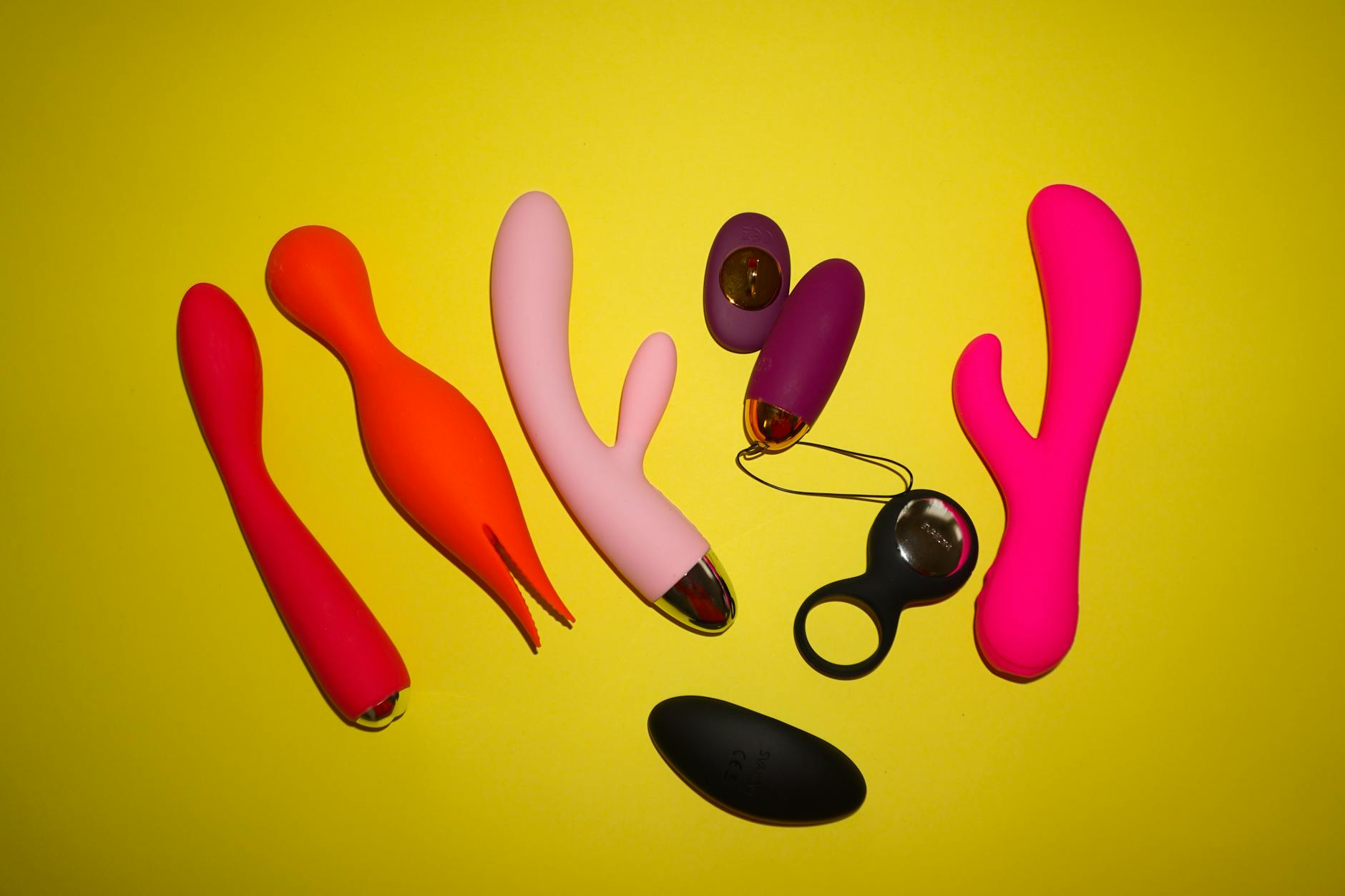
Let's talk about something nobody explains clearly: your clitoris has moods
Clitoral sensitivity isn't static. It ebbs and flows based on hormones, stress, blood flow, arousal level, and even what you ate that morning. Most people assume their pleasure response should feel the same every single time. It doesn't. And when you're using the wrong tool for a low-sensitivity day, frustration kicks in fast.
That's where lemon vibrators change the game. A suction-style tool like the Lem adapts differently to fluctuating sensation than a traditional vibrator does. Understanding why means understanding your own body better and choosing the right tool for what's actually happening that day.
How clitoral sensitivity actually works
Your clitoris is packed with about 8,000 nerve endings. But nerve sensitivity isn't constant. Here's what moves the needle:
Hormonal shifts. Even outside of menopause, estrogen and progesterone cycle. During the follicular phase (roughly days 1-14 of your cycle), estrogen rises and clitoral tissue swells slightly. Blood flow increases. Sensation intensifies. Then progesterone dominates the luteal phase, and the tissue firmer, less responsive to light touch.
Blood flow. Anything that improves circulation (exercise, caffeine, being warm) makes sensation sharper. Dehydration, cold, or being tense constricts blood vessels and dulls response. A stressful day literally reduces genital blood flow. This isn't in your head.
Arousal level. Early arousal and deep arousal are neurologically different states. In early arousal, you need more stimulation to register sensation. Once you're deeply aroused, light touch becomes almost too much. Most people jump straight to intense vibration when they should be building gradually.
Medication and stress. Antidepressants, antihistamines, and high cortisol all suppress sensation. So do numbing agents in some lubes, and yes, that includes the ones marketed as "warming."
The point: you're not broken on days when sensation feels duller. Your system is responding to real physiological changes.
Why traditional vibrators fail on low-sensitivity days
A standard vibrator works by creating rapid, repetitive vibration against tissue. On days when your clitoris is highly responsive, that friction-based stimulation feels amazing. On low-sensitivity days, it feels like buzzing against a numb patch. You need more intensity, which creates micro-tears in delicate tissue and turns the whole experience into work.
You end up chasing sensation instead of finding it.
Traditional vibrators also require sustained direct contact. If you're not deeply aroused yet, that direct friction can feel irritating rather than pleasurable. The pattern is fixed. The intensity builds only linearly. There's no give, no adaptation to what your body actually needs in that moment.
Why lemon vibrators work better when sensation fluctuates
A lemon clitoral vibrator like the Lem uses suction, not vibration. Here's the difference that matters:
Suction adapts to tissue state. The suction mechanism creates a gentle seal and pulsing rhythm that works with tissue swelling rather than against it. On high-sensitivity days, the suction feels intense and focused. On low-sensitivity days, the suction still engages the tissue effectively because it's not relying on friction to register. It's creating a pressure-based sensation that works across different sensitivity levels.
Variable intensity without tissue trauma. Instead of buzzing harder, you adjust the suction intensity. This means you can dial up sensation without creating friction damage. You're increasing pressure, not abrasion.
Engages a different sensory system. Vibration primarily stimulates Pacinian corpuscles, which respond to rapid movement. Suction engages both Pacinian and Meissner's corpuscles, which means you're hitting multiple sensory pathways. Even when one system is less responsive (like on a low-hormone day), the other can still create pleasure.
Slower warmup is possible. Traditional vibrators work best at full intensity. A lemon vibrator's gentler settings let you build arousal gradually, which is closer to how actual arousal naturally works. You're not starting at 8 out of 10 and hoping the feeling kicks in. You're starting at 2 and building.
The rhythm piece that changes everything
Most lemon clitoral vibrators pulse, not buzz. Pulsing at a slower rhythm (typically 50-80 beats per minute) mimics natural arousal patterns more closely than the 50+ cycles per second of traditional vibrators. This slower rhythm lets your nervous system follow the sensation instead of being overwhelmed by it.
On low-sensitivity days, that slower rhythm means you're less likely to numb out. Your nerves can fire and recover, fire and recover. On high-sensitivity days, you can still reach that explosive feeling, but without the afterward overstimulation that makes traditional vibrators exhausting.
Practical adaptations for fluctuating sensitivity
If you're using a lemon vibrator and noticing sensitivity shifts, here's what to adjust:
On low-sensitivity days: Start with patterns 1 or 2 instead of jumping to 5. Give yourself 15-20 minutes of foreplay before using the toy. Use a water-based lube even if you normally don't need it. Increase arousal first, then introduce the lemon vibrator.
On high-sensitivity days: You might find that patterns 3-5 feel overwhelming immediately. Stick to 1-2 and enjoy the ride. The suction will feel incredibly responsive and you won't need intensity to reach climax.
On mid-cycle days: If you menstruate, around day 14 (ovulation), clitoral sensitivity peaks. This is when higher intensity settings and longer sessions feel best.
On stress days: Blood flow is compromised, so warmth helps. Take a warm shower before use, or warm your hands against the toy for 30 seconds before starting. Breathing matters too. Deep breathing increases blood flow and arousal faster than jumping straight in.
The partner conversation, if there is one
If you share this experience with someone, the most useful framing is: "My body's responsiveness isn't about you or us. It's about where I'm at hormonally and physiologically that day. The Lem works better for me because it adapts to my actual sensitivity instead of fighting against it."
That's honest and actionable. It removes blame and invitation to "fix" you.
When to seek help if sensitivity stays low
If your clitoral sensitivity has dropped significantly over weeks or months and doesn't bounce back, it's worth checking in with a gynecologist. Low sensation can signal:
Medication side effects. Some SSRIs and antihistamines genuinely suppress sensation. If it started after you began a new medication, mention it to your doctor. Adjusting the dose or timing can help.
Hormonal changes. Low estrogen (from hormonal birth control, perimenopause, or other causes) can reduce clitoral responsiveness. Topical estrogen creams help. So can cycling your hormonal contraception to get a few days with higher baseline estrogen.
Vascular issues. Poor circulation (from high blood pressure, diabetes, or smoking) reduces genital blood flow. Addressing the underlying condition helps restore sensation.
Pelvic floor tension. A tight pelvic floor restricts blood flow. Learning to relax your pelvic floor changes responsiveness dramatically.
The point: low sensitivity isn't permanent. It's information. A lemon vibrator helps you work with your body's signals instead of against them while you're figuring out what's happening.
FAQ
Does clitoral sensitivity really change throughout my cycle?
Yes, reliably. Studies show clitoral sensitivity peaks around ovulation (when estrogen is highest) and drops during the luteal phase. Some people barely notice the difference. Others feel wildly different pleasure responses. Both are normal. Tracking your own patterns over two or three cycles shows you exactly how your body works, which makes choosing the right toy at the right time way easier.
Can I damage my clitoris if I use a lemon vibrator when sensitivity is low?
Not with a lemon vibrator, because suction doesn't create friction. With traditional vibrators, yes. Direct vibration against numb tissue can create micro-tears. That's why people who use regular vibrators on low-sensitivity days often report irritation afterward. Suction tools avoid that risk entirely.
Will my sensitivity ever come back if it's been low for months?
Almost always. Sensitivity changes when hormones, medication, stress, blood flow, or pelvic floor tension change. Address the underlying factor (better sleep, lower stress, medication adjustment, stronger pelvic floor, more cardio) and sensation typically rebounds within weeks. A lemon vibrator helps you enjoy yourself in the meantime instead of forcing traditional vibration when your body isn't ready for it.
Is it normal for orgasm to feel different depending on my cycle phase?
Completely normal. During the follicular phase (high estrogen), orgasms often feel more diffuse and full-body. During the luteal phase, they can feel more localized and intense but sometimes harder to reach. Neither is better. They're just different. Understanding which pattern you follow makes it easier to choose settings and timing that match your body that day.
Why do I need lube if I'm using a suction toy and sensitivity is already low?
Because lube helps the seal work better. Even when natural lubrication is minimal, a small amount of lube lets the suction create proper contact. It also signals arousal to your brain, which helps build arousal faster. Think of it as priming the pump, not compensating for brokenness.
Can I use the same lemon vibrator setting every single day?
You can, but you'll enjoy yourself more if you vary intensity to match your sensitivity that day. Day 1 of your cycle might feel great on pattern 2. Day 14 (ovulation) might crave pattern 4. Stress days often need warmup and pattern 1. Flexibility beats rigidity. That's the whole advantage of a responsive tool.
The bottom line
Clitoral sensitivity fluctuates. That's not a problem to solve. It's a signal to listen to. A lemon vibrator's suction-based design adapts to fluctuation better than traditional vibration does. You get effective sensation whether you're highly responsive or in a low-sensitivity phase. That flexibility, plus the slower pulsing rhythm, means you're working with your body instead of forcing it.
If you're noticing sensitivity shifts and traditional vibrators have stopped feeling reliable, it's worth trying a different approach. Your pleasure shouldn't require pushing through resistance or forcing intensity. A lemon clitoral vibrator meets your body where it actually is.
Have questions about how sensation and sensitivity work? Reach out anytime at /contact.