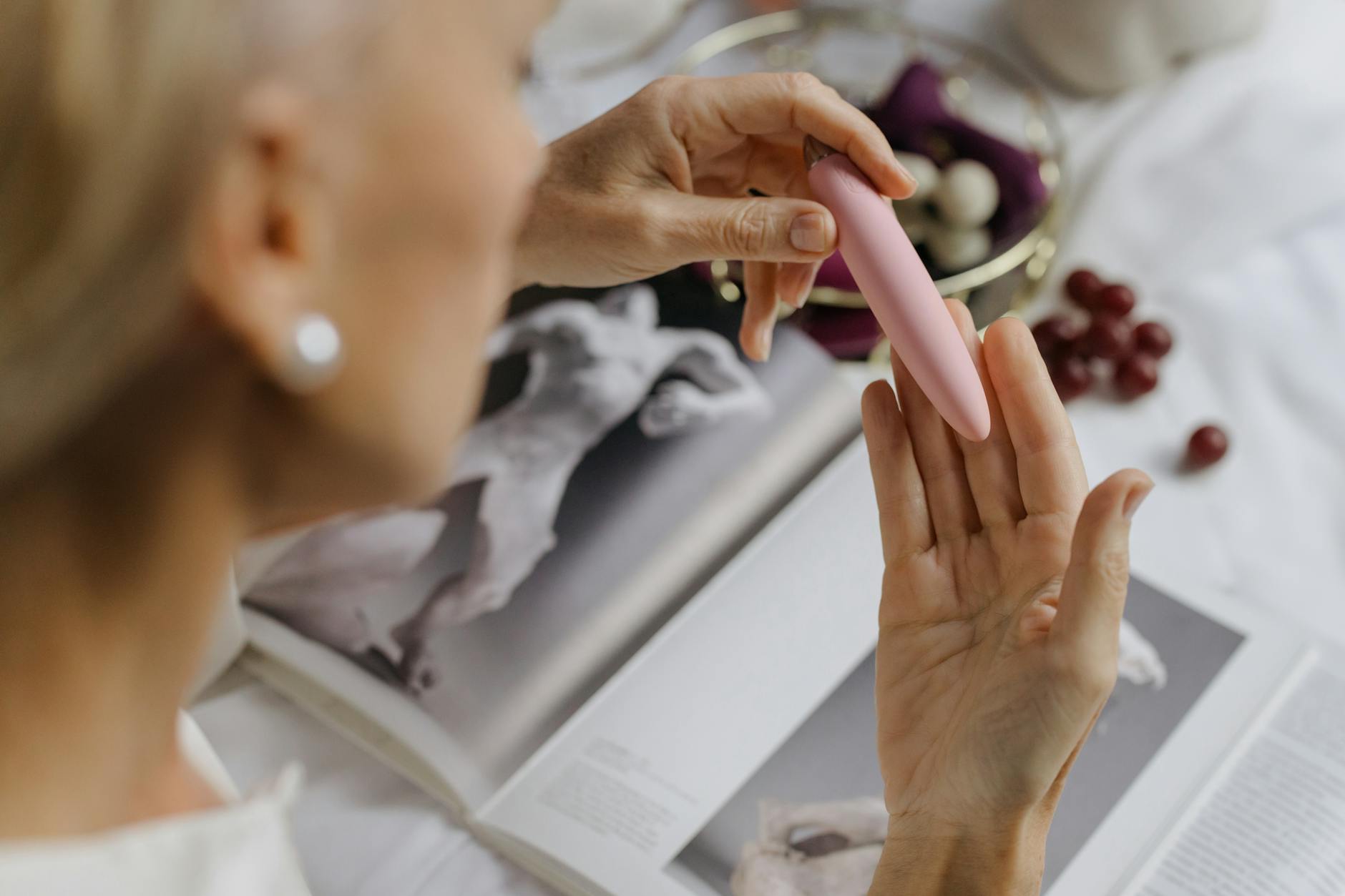
Let's be real about distance and desire
Time apart doesn't kill attraction. But it does something sneakier. It creates a gap between your bodies that your minds have already started to fill with assumptions. You wonder if they still want you. They're unsure how much has shifted. You both feel a little shy with each other's bodies again. That's not failure. That's just what happens when you've been apart long enough to forget the rhythm you had.
Rebuilding physical intimacy after separation or extended distance is a skill, not something that magically restarts the moment you're in the same room. And using a lemon vibrator during this process gives you both permission to slow down, explore without pressure, and remember what pleasure feels like together.
Why distance changes the physical experience
Extended separation does something psychological to your body. Even if you've been with the same partner for years, months apart can make touch feel unfamiliar. Your nervous system literally forgets the safety it had. That's not a sign the relationship is broken. It's just neurobiology.
When you're separated, you also lose the casual physical affection that normally keeps couples connected. You miss small touches, the way they smell, the rhythm of their breathing. So when you're finally together again, jumping straight to intense sex often feels weird because there's no foundation underneath it. Your nervous systems need to rebuild safety first.
This is where lemon vibrators become genuinely useful. They give you both a reason to be intimate without the pressure of performance. A vibrator shifts the focus from "do I still turn them on" to "what feels good right now." That's a huge emotional relief when you're both nervous.
The reconnection window and how to use it
The first few days or weeks back together are critical. Most couples make the mistake of waiting until they feel ready for "real" sex again. That can take weeks. Instead, treat this as a rebuilding phase.
Start with touch that has nothing to do with penetration or orgasm. This sounds basic but most people skip it after being apart. Hold hands. Kiss without rushing. Touch their arms, shoulders, back. Let your nervous systems recalibrate to each other's presence. This usually takes 3-5 days of consistent contact before your bodies remember what safety feels like.
Once you're both relaxed in proximity again, introduce the vibrator during partnered exploration. Not as a performance tool, but as a way to rediscover sensation together. If you're exploring with a partner, start with the vibrator on your own body first so they can watch and feel comfortable. Let them see how you use it, what settings you prefer, where the sensation is strongest. This removes mystery and builds intimacy through vulnerability.
Specific scenarios and how to navigate them
If you've been long-distance, one of you might feel pressure to perform immediately. The person who traveled wants it to feel special. The person who's been waiting wants to prove nothing has changed. That pressure kills everything.
Instead, talk beforehand. Say something like: "I'm nervous about this and I don't want to rush. Can we take the whole evening and just be together without an agenda?" Then use a lemon vibrator as part of that slowness, not as a way to rush toward orgasm. Explore patterns and settings you haven't tried before. Notice what feels different. This takes 30-60 minutes, which feels luxurious and low-pressure compared to traditional sex.
If one of you has lost interest in sex during the separation, go even slower. Sometimes when people are apart, their libido drops. This isn't rejection. It's often stress, loneliness, or adjustment. Using a vibrator solo first, on your own timeline, can help rebuild that connection to your own pleasure before trying to do it with a partner. There's no rush.
If you're both excited and want intensity immediately, that's valid too. But still spend the first few encounters rebuilding intimacy first. Save the intense orgasm sessions for week two or three. The early days are about reminding your nervous systems that this person is safe.
Communication during the reconnection phase
This is crucial and most couples get it wrong. They assume that talking will kill the mood. It actually saves it.
Before you use a vibrator together, tell each other what you're nervous about. "I'm worried I won't feel the same." "I'm scared you've moved on." "I'm self-conscious about my body." Saying it out loud deflates it. Your partner can then reassure you, or you can reassure them. This takes 10 minutes and makes everything that follows 10 times better.
During exploration with the vibrator, check in. "Does this feel good?" "Is the pressure okay?" "What do you want to try?" This isn't medical. It's intimate. You're saying: I care about what feels good to you. That matters more than whether we have an orgasm.
After, talk about what shifted. What felt familiar. What felt new. Sometimes after separation, people discover they actually like different things than they did before. That's not a problem. That's information. Use it.
Practical setup for the actual experience
Set aside time when you're not rushed and nobody's exhausted. Not Saturday morning when you've got plans. Thursday evening when you can be fully present.
Create an environment that feels safe and sensual. Soft lighting, no phones, no interruptions. Temperature matters. People often feel self-conscious about their bodies after time apart. Make sure you're warm enough that being vulnerable doesn't feel physically vulnerable.
Have water nearby and, if there's any chance of dryness, have lubricant. This matters even if it shouldn't have to. After months apart, bodies sometimes respond differently. Lube is not a problem signal. It's part of the process.
Decide together whether you want to use the vibrator on external stimulation only, or if either of you wants to explore penetration alongside it. There's no right answer. Just decide beforehand so there's no awkward negotiation in the moment.
Building frequency and intensity over time
Most reconnecting couples want to make up for lost time immediately. Resist that. Instead, plan to be intimate 2-3 times in the first week back together, with the vibrator part of that exploration. Not every time, but often enough that your bodies start remembering each other.
Week two, you can increase intensity if you both want to. Week three, try some of the more intense settings if you haven't. This gradual build actually creates more pleasure than jumping straight to intensity, because your nervous systems have time to anticipate and prepare.
Some couples find that after months apart, they discover they actually want sex more frequently than before. The separation created absence. Absence creates desire. Let that natural momentum build instead of trying to force it back to where it was.
What happens if one of you is still feeling disconnected
Sometimes one person bounces back quickly and the other needs more time. This is normal and it's usually not about attraction. It's about nervous system readiness.
If you're the person who's ready and they're not, don't push. Instead, ask what they need. Maybe they need more non-sexual touch first. Maybe they need to talk more about what the separation was like emotionally. Maybe their body just needs a few more days to adjust.
If you're the person who needs more time, tell them. Say it clearly: "I want to reconnect with you and I'm not ready yet. Here's what would help." This removes the sting of rejection and gives you both something to work toward.
Using a vibrator together can actually help here because it's lower-stakes than penetrative sex. You can explore pleasure together without the performance pressure of "real" sex. Sometimes that middle ground is exactly what reconnecting couples need.
When to seek support
If you're three weeks back together and you still feel completely disconnected, or if one of you has no interest in physical intimacy at all, that might signal something deeper. It could be unprocessed emotions about the separation. It could be resentment. It could be depression or anxiety. A therapist who specializes in couples can help you understand what's underneath the physical distance.
Physical reconnection is important. But it's also the symptom, not the disease. If touch feels impossible, the issue is usually emotional, not physical.
The real goal here
Rebuildng intimacy after separation isn't about proving that nothing has changed. It's about accepting that something has changed and building something new from that awareness. You're not the same people who left. You don't have the same bodies, the same desires, the same nervous systems. That's not loss. That's evolution.
Using lemon vibrators during this process gives you both permission to explore who you are now, separately and together. It slows you down. It keeps the focus on pleasure and presence instead of performance. And it reminds you why you wanted each other in the first place.