Pain during sex is a sign, not a character flaw
Let's get this out of the way first. If sex hurts, your body is trying to tell you something. That message isn't "you're broken" or "you need to try harder." It's information. And unlike a lot of the confusing signals our bodies send, this one is usually pretty straightforward to decode.
Pain during sex is medically called dyspareunia, but I'm not going to bury you in clinical language. Here's what matters: it happens to way more people than you'd think, it has fixable causes in most cases, and trying to power through it only makes things worse. The couples I work with who've dealt with this and recovered always say the same thing. They wish they'd stopped and gotten help sooner instead of thinking it would just go away.
What causes pain during sex (and why it matters)
Pain during sex can come from physical causes, psychological causes, or usually both tangled together. On the physical side, the most common culprits are tension in the pelvic floor muscles, insufficient lubrication, skin sensitivity or irritation, hormonal shifts that thin vaginal tissue, or conditions like endometriosis or vaginismus. On the psychological side, anxiety, past trauma, relationship stress, or learned tension patterns can make muscles clench before anything even touches you.
The reason it matters which one is happening is because the fix is different. You can't kegel your way out of relationship trauma, and you can't talk your way out of a yeast infection. The best outcomes come when someone figures out what's actually going on instead of guessing.
When to see a doctor first
Before you reach for any toy, new or familiar, go to a gynecologist or pelvic health specialist if pain is new or getting worse. You need to rule out infections, hormonal changes, or tissue damage. This visit isn't optional. It's the foundation everything else builds on.
A good doctor will ask you specific questions. Where does it hurt. Does it burn, sting, ache, or feel sharp. Is it during entry, during movement, or at specific angles. Does it happen with all partners or just one. The specifics matter because they point to different causes. Burning pain often signals irritation or infection. Deep aching pain often points to pelvic floor tension or endometriosis. Sharp pain at entry often means vaginismus, which is involuntary muscle clenching.
If your doctor dismisses your pain or tells you to "just relax," find a different doctor. Pelvic pain is a real medical issue with real treatments. You deserve someone who takes it seriously.
How pelvic floor physical therapy changes everything
Once medical causes are ruled out or being treated, pelvic floor PT is often the next step. Here's what's confusing about pelvic floor dysfunction. Most people think the problem is a weak pelvic floor. Sometimes it is. But just as often, the problem is a pelvic floor that's chronically clenched and needs to learn how to relax. Kegels would make that worse, not better.
A pelvic floor physical therapist teaches you how to find those muscles, how to contract them on purpose, and how to release them fully. They might use internal massage, biofeedback, stretches, or breathing techniques. The process takes time, but it works. Many people see significant improvement within 4 to 8 weeks of consistent work.
While you're doing PT, you're not trying to white-knuckle through sex. You're in recovery mode. That's when exploring pleasure in a different way becomes powerful.
Why lemon vibrators work differently when pain is involved
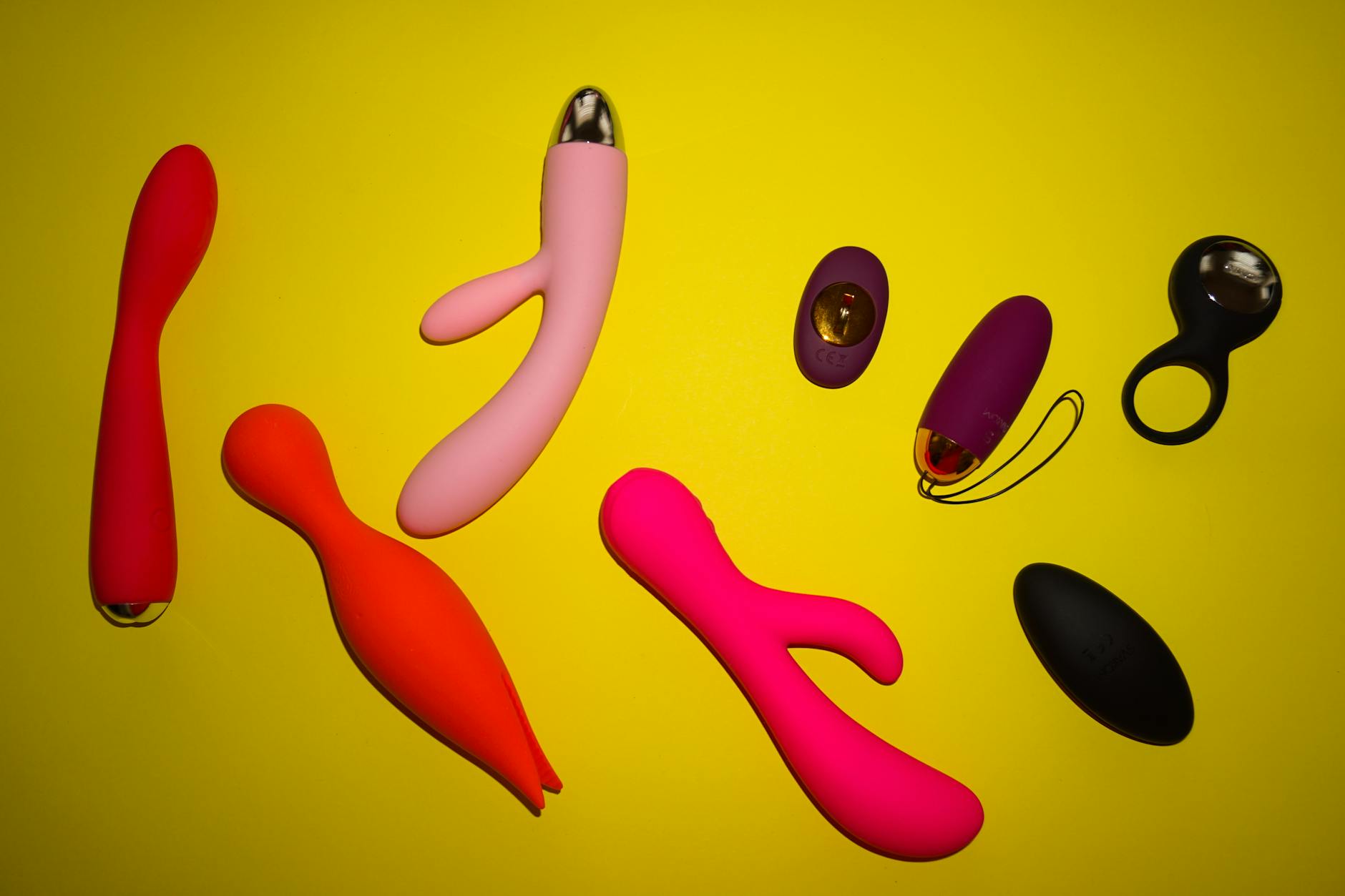
Here's the thing about clitoral vibrators like the Lemon when you're dealing with pain during penetration. They let you experience pleasure that doesn't rely on penetration at all. That's not a consolation prize. That's reclaiming a whole category of sensation that pain might have made you forget about.
Lemon clitoral vibrators work through gentle suction and pulsing, not direct percussion. This matters. Direct vibration can feel too intense when tissue is already sensitive. Suction engages deeper nerve clusters without requiring the same kind of tissue-to-surface friction. It's a different sensation entirely. Many people find it's actually more intense and more satisfying than direct vibration, especially if their clitoris is tender.
Start at the lowest setting. Pattern 1 or 2 on most vibrators. Focus on external stimulation only. Spend time exploring what feels good without any pressure to reach a specific outcome. This isn't foreplay. This is actual pleasure, valid and complete on its own.
The mental shift that heals faster than anything else
In my practice, I've noticed something consistent. The couples who recover quickest from painful sex aren't the ones who push hardest to get back to how things were. They're the ones who give themselves permission to stop for a while and explore differently. This sounds gentle, but it's actually radical.
What happens psychologically is this. If you keep trying to have the sex you used to have and it keeps hurting, your brain builds an association between sex and pain. Your body starts tensing up before you even get close to a partner because it's bracing for hurt. That anticipatory tension makes everything worse. Breaking that pattern means doing something different on purpose. Using a lemon vibrator, going slow, focusing only on what feels good without any performance goal. That rewires the association.
If you have a partner, this is also when communication becomes the whole game. "I'm experiencing pain, we're getting help, and in the meantime I want to explore pleasure this way" is a completely different conversation than "something's wrong with me." The first one brings partners closer. The second one creates shame and distance. Choose the first.
Building back to partnered sex (when you're ready)
As pain decreases and confidence returns, you can start reintroducing partnered touch. Start with the things that don't hurt. Maybe that's external touch only for a while. Maybe it's positions that felt different from the ones that caused pain. Go slow. Use the lemon vibrator with a partner. Let them see what you like. This normalizes vibrators as a tool in your shared pleasure, not a sign that something's missing.
When you do return to penetration, use extra lubrication, go slowly, and stop immediately if something hurts. Pain isn't a threshold to push past. It's a stop sign. A good partner will get that. If they don't, that's a bigger conversation than the pain itself.
The recovery timeline (and why patience matters)
This is the part that's hard to hear. Recovery from painful sex usually takes months, not weeks. If you've been experiencing pain for a long time, your nervous system has gotten used to bracing. That pattern doesn't change overnight. Pelvic floor PT usually takes 8 to 12 weeks to show real results. Retraining your brain takes longer. The couples who do best are the ones who accept that timeline and treat the process as its own kind of intimacy, not as a frustrating detour.
In the meantime, lemon clitoral vibrators become a way to stay connected to your own pleasure while your body heals. That's not settling. That's investing in yourself. And honestly, a lot of people find they actually enjoy this phase. The pressure's off. The expectations are gone. You're discovering what feels genuinely good, not what you think you're supposed to want.
When to check in with your doctor again
If you've been in pelvic floor PT for three months and pain hasn't improved, ask about other options. Low-dose topical estrogen cream is helpful for some people. Botox injections into the pelvic floor can help with vaginismus. Neuropathic pain medications might be relevant if nerves are involved. You have options. A doctor who specializes in pelvic pain will know them and can help you figure out which makes sense for your situation.
Pain during sex isn't something you manage forever. It's something you solve. The solving takes time and professional help and patience, but it's absolutely solvable. And while you're solving it, you get to keep exploring pleasure in new ways. That's actually a gift disguised as a problem.
FAQ: Common questions about pain and pleasure
Can I use a vibrator if penetration hurts?
Absolutely. In fact, external clitoral vibration is often how people reconnect with pleasure while they're healing from pain. Lemon vibrators are particularly good for this because suction feels different from direct vibration and can be gentler on sensitive tissue. Start at the lowest setting and see what your body tells you.
Is pain during sex always a sign of infection?
No. Infections cause pain, but so do tight muscles, hormonal changes, skin sensitivity, psychological tension, and a bunch of other things. That's why seeing a doctor matters. They can run tests and do an exam to figure out what's actually happening instead of you guessing.
Should I keep having sex if it hurts?
No. Pushing through pain teaches your nervous system to associate sex with hurt, which makes the next time harder. Take a break if you need to. Focus on non-painful pleasure. Heal. Then come back when your body's ready.
How do I tell my partner I'm experiencing pain?
Direct and soon. "I've been noticing pain during sex and I need to take a break while I figure it out. I'm going to see a doctor. In the meantime, I want to keep exploring pleasure together, just differently." That opens the conversation instead of letting resentment build.
Does pain during sex mean something is wrong with my relationship?
Not necessarily. Physical pain is a physical issue. Relationship issues are separate, though they can make pain worse or get worse because of pain. It's worth checking in on both, but don't assume one caused the other.
Can lemon vibrators help with pain if I have endometriosis?
Vibrators don't treat endometriosis, but they can help you experience pleasure that doesn't trigger pain if penetration does. Many people with endo find clitoral stimulation feels good while penetration doesn't. That's useful information and it's also permission to explore what actually feels good instead of forcing the sex you think you should be having.
The bigger picture
Pain during sex is fixable. Sometimes it takes medical help. Sometimes it takes PT. Sometimes it takes a shift in how you think about your own pleasure. Usually it's all three working together. What matters is that you don't ignore it, don't shame yourself about it, and don't let it convince you that pleasure isn't available to you. It is. You're just accessing it differently for a while. And that's completely okay.