Let's talk about what depression takes
Depression doesn't just kill your mood. It kills physical sensation. The neural pathways for arousal shut down. Touch feels muted. Orgasm seems impossible. And then, one day, things shift. Maybe the medication finally works. Maybe the therapy clicks. Maybe time just does its thing. Suddenly, desire starts trickling back in, and you're faced with something unexpected: you don't quite know how to meet it.
This is the moment most people freeze. You're not broken anymore, but you're not quite sure you're whole either. Your body is waking up, but it feels like waking up in a house you used to know.
Why returning desire feels unfamiliar
Three years of flattened sensation doesn't just disappear overnight. Even after depression lifts, your nervous system has been running on a particular frequency for so long that pleasure can feel foreign. You might feel it building and immediately panic that you're doing it wrong. Or you touch yourself and expect fireworks, but find only quiet warmth instead.
This is completely normal. Your brain is learning to trust sensation again. That takes time.
Here's what's actually happening: depression fundamentally altered how your brain processes reward. Dopamine dipped. The circuits that fire during arousal got quiet. Now that they're lighting up again, they're rusty. You're not starting from zero, but you're not picking up where you left off either. You're somewhere in between, and that in-between is disorienting.
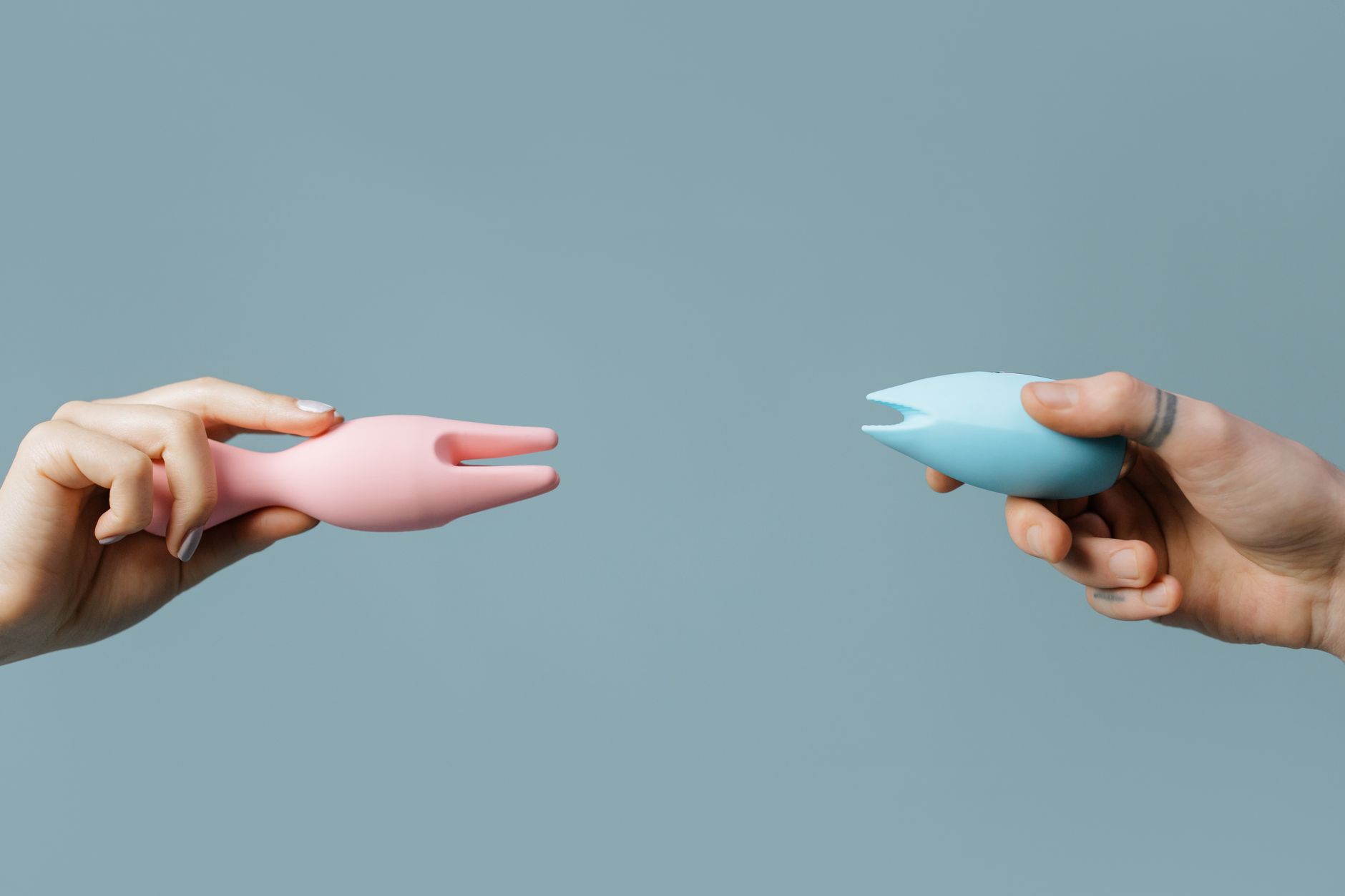
Adding a lemon vibrator into this picture isn't about forcing pleasure. It's about creating conditions where pleasure can show up naturally, without judgment.
Starting small when everything feels loud
If you've spent months not feeling much of anything, intense sensation can be overwhelming. A full-power clitoral vibrator might feel like too much too soon. That's not weakness. That's your nervous system being honest.
I typically recommend starting at the lowest intensity settings. With the Lem vibrator, pattern one feels almost like a whisper against your skin. You're not trying to chase an orgasm. You're trying to notice sensation. Can you feel a difference between no vibration and vibration? Can you track how your body responds when there's no goal?
Budget twenty to thirty minutes for exploration. No finish line. If you get distracted, that's fine. If you feel nothing, that's also fine. The point is to let your body remember that sensation exists without pressuring it to feel a specific way.
Many people find that after depression, their first orgasms back are gentle ones. Not the earth-shattering kind from before. Just a quiet release of tension that you almost didn't notice until it was over. That counts. That matters.
The role of low-pressure foreplay
When you're rebuilding desire, foreplay stops being optional seasoning and becomes the main meal. This is where lemon sexual toys shine, because tools like the Lem were designed for sustained, low-intensity stimulation. You're not building toward anything. You're learning to float in sensation.
Let yourself spend fifteen, twenty minutes just exploring sensation with your toy. Notice where on your body feels responsive. Some people find that their sensitivity returns unevenly. Your inner labia might feel more alive than your clitoris for weeks. Your thighs might wake up before your vulva does. Your brain might be fully on board while your body lags behind. None of this is wrong.
If you're with a partner, foreplay becomes a conversation. Let them know that your body is relearning pleasure. You might want touch without expectation of sex. You might want to use a lemon vibrator solo while they're present without touching you. You might want them to help, but only in very specific ways. The specificity matters. "I want you to kiss my neck while I use this" is more useful than "do something sexy."
Managing the guilt that shows up
Here's what I see happen most often: people emerge from depression, desire returns, and immediately they feel guilty for wanting. For months, they couldn't want anything. Now that they want again, it feels selfish or desperate or like they're betraying the person they were while depressed.
That guilt is a trap. Your desire returning isn't a character flaw. It's not indulgence. It's your nervous system healing.
When you reach for a lemon vibrator and feel resistance, pause. Ask yourself: am I actually not interested, or am I punishing myself for wanting? Depression whispers that you don't deserve pleasure. That voice doesn't disappear the moment your serotonin levels stabilize. You might need to actively contradict it, over and over.
Using lemon clitoral vibrators as part of rebuilding pleasure is an act of self-care, not self-indulgence. You're telling your body: you're worth attention. You deserve sensation. Your pleasure is valid.
The medication variable
Many antidepressants flatten desire and orgasmic response as a side effect. If you're still on medication, returning desire doesn't mean the medication is failing. It means your body is adapting. Some people find that their libido stabilizes after three to six months on a new med. Others never regain the same baseline.
If you've been on the same medication for years and desire is returning, that's often just your body settling into a new normal. You're not broken. You're adjusting.
If medication is still suppressing your response, talk to your prescriber. Sometimes switching meds helps. Sometimes adding something like bupropion (which can offset sexual side effects) makes a difference. And sometimes you accept that your pleasure looks different now and find ways to work with that reality.
Lemon vibrators, with their focus on suction-based stimulation rather than direct friction, often work better for bodies dealing with medication-related numbness. The sensation pattern is different, and sometimes that difference is enough to bypass the flatness.
Creating a ritual instead of a performance
When desire is fragile, consistency helps. Set aside time each week to explore. Light a candle. Put your phone in another room. Make it a small ritual, not a test you need to pass.
The ritual isn't about achievement. It's about creating psychological safety. Your nervous system needs to know that this time is protected, expectation-free, and just for you. After depression, that kind of boundary is everything.
Start with your toy. Notice what patterns feel good. Which intensity level? How long can you stay with sensation before your mind wanders? What time of day does your body feel most responsive? Build these observations into your ritual. If you notice that pattern three on the Lem feels better than pattern one, use pattern three. If morning works better than night, choose morning.
Your lemon vibrator isn't a magic fix. It's a tool that helps you practice being present in your body again. That presence is what matters.
When to involve a partner
If you're in a relationship, your partner might be struggling too. Months of low desire from depression affects both people. When desire returns, there can be awkwardness. What if they've gotten used to the lack of sex? What if they're afraid that one good experience will lead to expectations?
Involve them slowly. Maybe you use a lemon vibrator during solo time first, until you feel confident. Then, when you're ready, you invite them to be present. They don't have to do anything. They just need to know what's happening.
If you want them to participate, be specific. "I'd like you to hold me while I use this" or "Can you tell me what you find sexy about my body while I explore?" or even just "I need you to sit with me while I remember how to feel pleasure again."
You might also want to reassure them that returning desire doesn't mean returning to exactly what was. Depression changes people. So does recovery. Both of you are rebuilding. That rebuilding can be intimate, but only if you name it.
The timeline is not linear
Some days your body will feel alive. Some days sensation will vanish again, and you'll panic. That's not regression. That's healing in real time. Depression doesn't have a switch. It has a dimmer, and that dimmer moves in both directions for a while before it settles.
Give yourself permission to have weeks where desire dips again. That doesn't mean you've failed. It means you're human, and your nervous system is still integrating.
Use your lemon vibrator on the days that feel good. Skip it on the days that don't. The tool is there whenever you're ready. There's no deadline.
FAQ: Rebuilding Pleasure After Depression
How long does it typically take for sexual desire to return after depression?
There's no fixed timeline. For some people, desire returns within weeks of starting treatment. For others, it takes months or even years. Medication type matters. How long depression lasted matters. Your nervous system's individual healing speed matters. If desire hasn't returned after six months of feeling better mood-wise, it's worth checking in with your prescriber or a therapist who specializes in sexual health after depression. Sometimes a small adjustment makes a difference.
Can I use a lemon vibrator if I'm still taking antidepressants?
Absolutely. In fact, many people find that lemon clitoral vibrators work better while on antidepressants because the suction-based stimulation pattern can bypass some of the numbness that SSRIs create. You're not working against your medication. You're working alongside it. If sensation still feels muted, that's a conversation to have with your prescriber, not a reason to avoid using a toy.
What if I use a lemon vibrator and feel nothing?
Feeling nothing doesn't mean you're broken or that pleasure won't return. It means your nervous system isn't ready for that particular input yet. Try a different pattern. Try a different time of day. Try just holding the toy against your skin without turning it on. Try going back to manual touch for a few weeks, then returning to the vibrator later. Pressure to feel something is the fastest way to shut down whatever feeling might be starting to emerge.
Is it normal to feel anxious or sad while using a toy after depression?
Very normal. Depression doesn't just numb pleasure. It also tangled pleasure up with shame, or disconnection, or a sense that you don't deserve it. Using a vibrator can bring up those feelings again. You're not regressing. You're processing. If the anxiety feels overwhelming, take a break, breathe, and come back when you're ready. A therapist can help you untangle these threads.
How do I talk to a partner about wanting to rebuild pleasure after depression?
Start simple: "My desire is starting to come back, and I want to explore that at my own pace." You don't need to explain the whole neurobiology. You just need to name what's happening. If they ask what you need, be honest. "I'd like some solo time with a toy first," or "I want you to know what's happening, but I don't want pressure to have sex yet," or even "I need you to believe in my pleasure again, even when I'm struggling to believe in it myself."
What if I'm worried that rebuilt desire will disappear again if depression returns?
That fear makes sense. Depression is traumatic, and your body remembers that trauma. The answer isn't to avoid rebuilding pleasure. It's to build it in a way that feels resilient. Use tools like the Lem vibrator. Maintain a ritual. Stay connected to your body. And if depression does return, you'll know what to do. You'll have already done it once. You can do it again.
You're not starting over. You're coming back.
When depression lifts, your body wakes up confused. It's been asleep for so long that sensation feels like a foreign language. Using lemon sexual toys isn't about jumping straight back to where you were. It's about learning to speak that language again, slowly, without judgment, and with patience for the parts of yourself that are still remembering how to feel.
Desire returns differently than it left. It's quieter sometimes. It shows up in unexpected moments. It doesn't look like it used to, and that's okay. Your body has been through something. You're not rebuilding the same thing. You're building something new, something that knows what fragility feels like and honors it.
If you need support navigating this transition, reach out. Contact us for more resources and guidance on rebuilding intimacy and pleasure after mental health challenges.