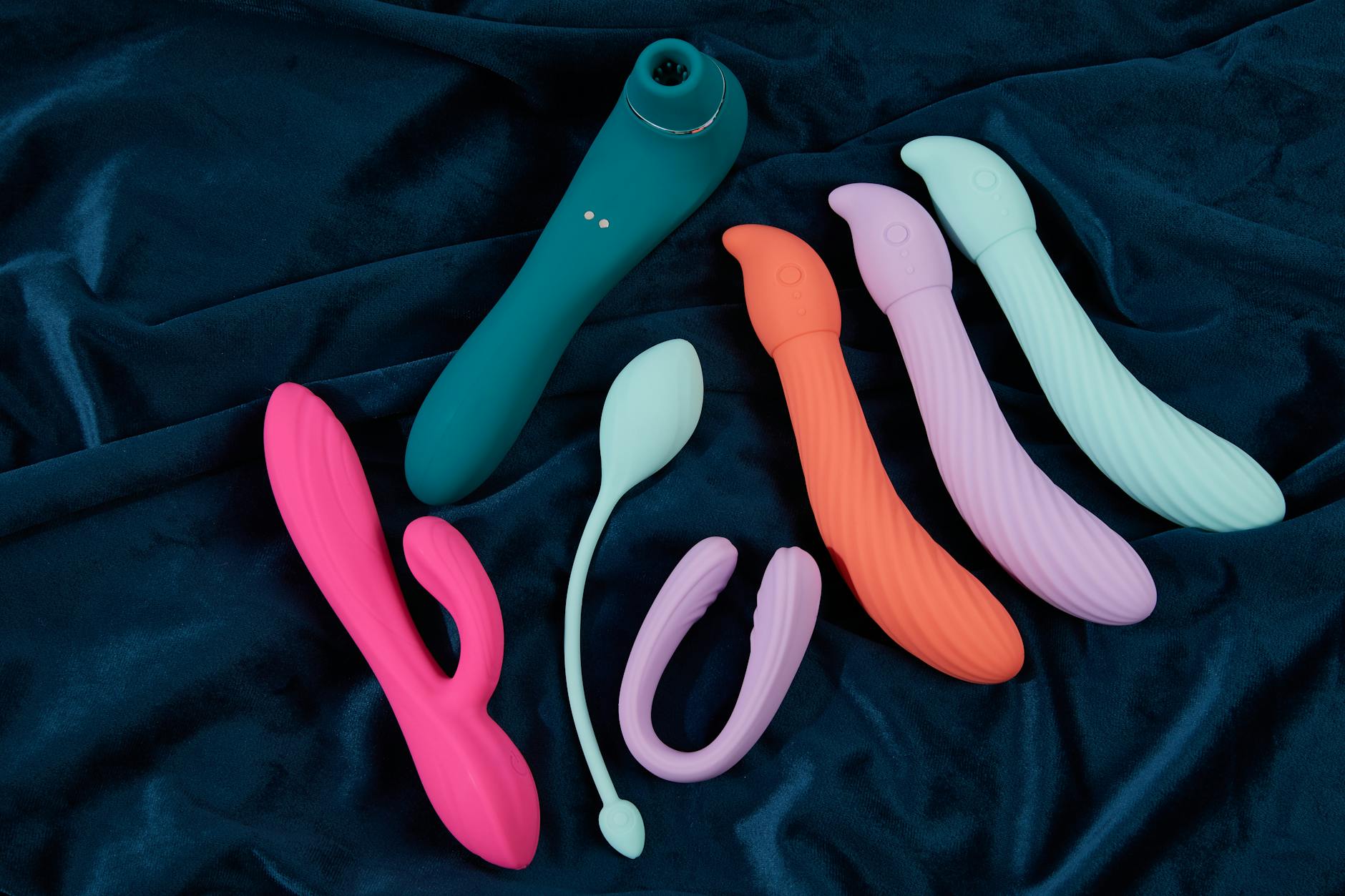
The thing nobody talks about when introducing toys to partners
Your partner isn't resisting the vibrator because they feel threatened by it. They're resisting it because they don't know where they fit into the moment. Most partnered sex has a rhythm. A tempo. A choreography that's been built over months or years. Handing someone a lemon vibrator and saying "use this on me" isn't an invitation to pleasure. It feels like a script rewrite they didn't audition for.
Here's what actually works: positioning it as an addition, not a replacement. Something that enhances what they're already doing instead of asking them to learn a new technique.
Why external stimulation changes the conversation
People who prefer external clitoral stimulation during partnered sex are describing something specific: they get aroused and orgasm through pressure or friction on the vulva itself, often during penetration or while their partner is engaged. They're not fantasizing about being alone. They want their partner present and active.
A lemon vibrator changes the mechanics in three ways. First, it's concentrated and consistent in a way that fingers or mouths aren't. Second, it frees up your partner's hands or mouth for other touch. Third, because suction-based toys like a lemon clitoral vibrator work through gentle, rhythmic pressure rather than harsh vibration, they often integrate more smoothly into partnered moments without creating that buzzing distraction that can feel weird when another person is actively engaged with you.
The key insight: your partner isn't "using" the toy on you in isolation. They're using it alongside their own body and presence.
How to actually position it during penetration
Let's be direct. If you're having penetrative sex and want external stimulation, the lemon vibrator sits against the front of your vulva, at a slight angle toward the clitoris. Your partner enters you. The toy stays in place against your body. Nothing about this is complicated mechanically.
What matters:
Angle and pressure. The toy presses gently against your body. Not pressed so hard that you lose sensation, but firmly enough that it's stimulating without slipping. Your partner can hold it in place with one hand while their other hand guides penetration or touches your chest, stomach, or inner thigh.
Depth awareness. If your partner is the one holding the vibrator, they need to know what depth feels good. This is where communication stops being optional and starts being structural. "When you go deeper, angle the toy down slightly" gives them something to work with. "More pressure" or "lighter" lets them adjust in real time.
Pacing synchronization. Here's where this gets intimate in a way that surprises people. Your partner's thrusting rhythm and the vibrator's rhythm don't have to match. Often they shouldn't. The vibrator runs at its own pace while your partner moves at theirs. This creates a layered sensation that feels fundamentally different than external stimulation alone. It's worth exploring what tempo actually works. Sometimes slow penetration with a steady vibrator feels better than matched pacing.
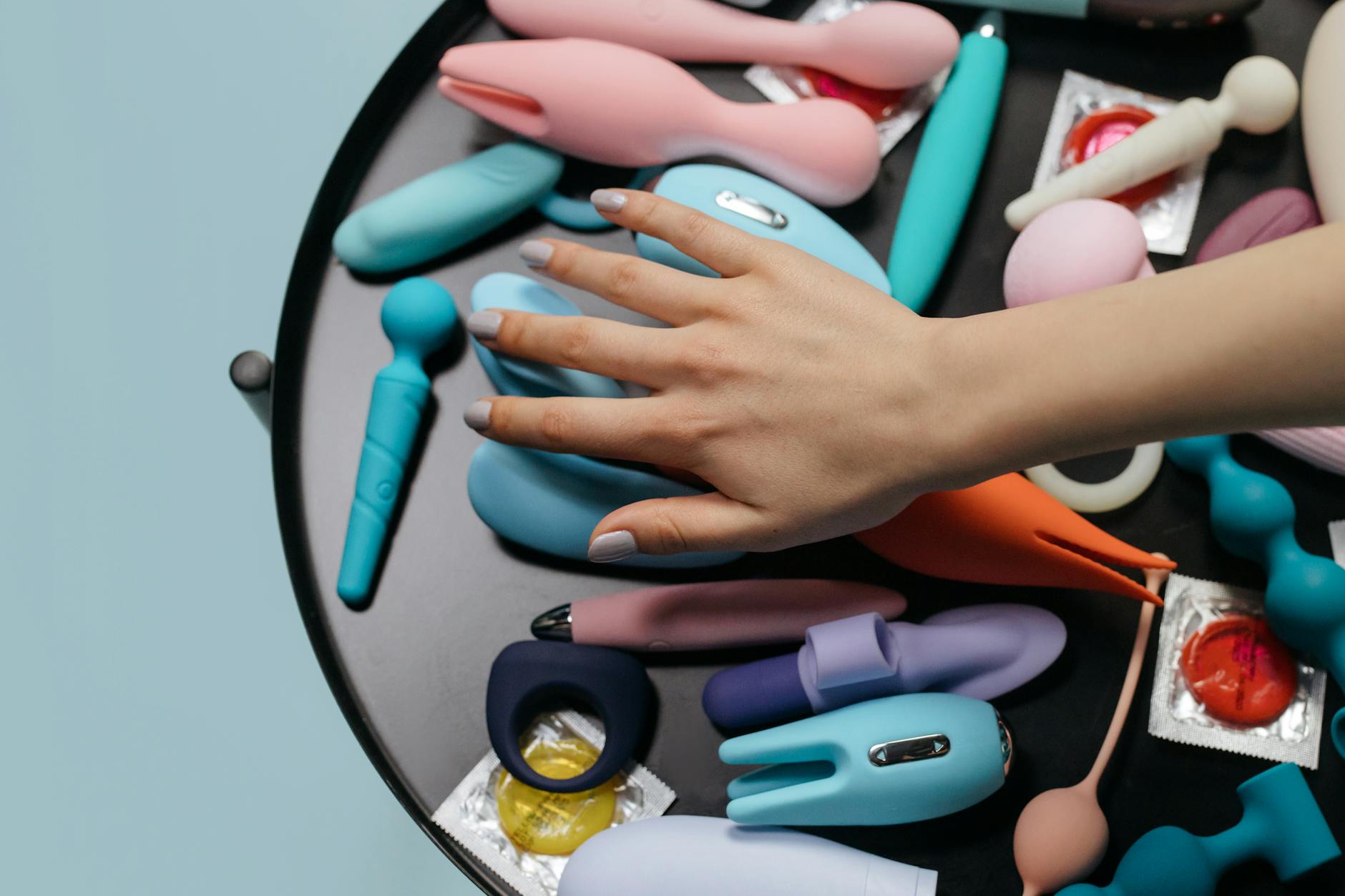
Photo by cottonbro studio on Pexels
The conversation you have to have first
Before the vibrator comes into the bedroom, you need to name three things. Not in a clinical way. Just clearly.
One: why you want it. Not "because you're not enough." Something real. "I come more reliably with external pressure and I want that during our sex." Or "I want to try something different because I'm curious." Partners can work with that. They can't work with blame disguised as a toy suggestion.
Two: what you want them to do. "I'd like you to use this while you're inside me" is different than "I want to use this while you watch." Different intent, different emotional landscape. If it's a partner-held toy, say that. If you're holding it yourself while they penetrate, say that too.
Three: what success looks like. "This isn't about whether I orgasm. It's about having a new sensation to explore together." Or "I really want to be able to come during penetration and this might help." Set the actual goal so you're not both internally measuring whether the toy "worked."
Then drop it. Don't circle back. People absorb information in different ways and your partner might need a week to sit with the idea before they're ready.
When they're holding it: the care instructions
If your partner is physically managing a lemon vibrator during sex, they need to know three operational things.
First, where the settings are and whether they should change them during sex. Most people touch the toy as little as possible once it's in play. If you want intensity adjustments, say so upfront: "Start it on setting two and keep it there unless I ask." Don't expect them to read your face and guess. They're already managing a lot.
Second, what happens if it slips. It will. Suction-based toys are smooth and bodies are slippery. Your partner shouldn't panic or apologize. "That happens" and they reposition it. Humor here is your friend. Laughing together when things don't go according to plan is more intimate than perfect execution.
Third, what happens if external stimulation stops feeling good mid-sex. Your partner needs permission to pause and ask. "Is this still working for you?" isn't a mood killer. It's actually a mood sustainer because it means you're both paying attention. If the answer is no, the toy goes back on the nightstand and you keep going. It's not a failure. It's adjustment.
Why some partners find this actually easier than you'd think
Contrary to what you might assume, some partners genuinely prefer using a lemon clitoral vibrator. Here's why. It takes pressure off their hand or mouth to deliver orgasm through friction alone. That's exhausting. It's a repetitive motion at a specific pace and it's hard to maintain rhythm for long periods. A toy handles that. Your partner can focus on penetration, kissing, eye contact, or other aspects of the experience without their forearm going numb.
Second, toys give partners explicit permission to care about your pleasure without it being their sole responsibility. There's something psychologically different about "I want you to come and I'm going to use this to help" versus "my pleasure is entirely dependent on what your body does." The toy actually redistributes the emotional labor of partnered sex in a way that often feels better for everyone.
Third, many partners discover that watching you use a toy, or holding one for you, is genuinely arousing. This isn't automatically true for everyone, but it's common enough that you shouldn't assume your partner won't enjoy this. The intimacy of being so focused on your pleasure, of being let into that vulnerable moment, shifts something.
If you're using it solo while they watch or participate
This is structurally different. You're managing the toy and the stimulation. Your partner is a witness and participant but not the primary architect. Some people find this feels cleaner because there's no one else to coordinate with.
What this looks like: you position yourself comfortably. You hold the lemon vibrator. Your partner might be inside you, touching you elsewhere, kissing you, watching you, or just present. The rhythm and intensity are yours to control. Your partner follows your lead rather than directing it.
For partners, the instruction here is simple: don't grab the toy unless you're invited to. Don't suddenly change the angle or pressure. You're supportive, not directive. This might feel like less agency to some partners, but honestly it's less cognitive load. You can focus on your own pleasure and presence without also managing the toy.
The thing that actually matters
You're not introducing a lemon vibrator to fix something broken in your partnership. You're introducing it because your pleasure matters and because partners who can talk about sex clearly, adjust in real time, and laugh at the messiness of it all tend to like each other more.
If this conversation feels hard, it's not because toys are complicated. It's because direct communication about pleasure is still culturally weird. We're taught to hint and hope instead of asking clearly. A vibrator just makes the hinting visible. You're not actually doing anything harder than what you're already doing. You're just doing it out loud.
Start small. Try it twice before you decide whether it works. Adjust based on what you both actually felt, not what you thought would feel good. And remember that your partner caring enough to try something new, even awkwardly, is already intimacy.
People Also Ask
What if my partner feels emasculated by a vibrator?
Emasculation is usually code for "I'm unsure about my role." That's worth addressing directly. "I need this for my pleasure and it has nothing to do with you. Your presence and your body are irreplaceable. This is an addition, not a replacement." If after that conversation they're still resistant, you have a communication gap that's bigger than the toy. That's actually useful information about what you need to work on together. For support navigating this dynamic, read how to use a lemon vibrator when your partner feels insecure about toys.
Can we use it during oral sex?
Yes. One partner performs oral sex while the other holds or positions the lemon vibrator alongside their mouth. The vibrator handles intense external pressure while their mouth focuses on movement, rhythm, and sensation. This actually feels quite different because you're getting both suction-based stimulation and tongue movement simultaneously. Some people find this combination more satisfying than either alone.
How do I know if my partner is genuinely interested or just doing it for me?
You ask. "Are you comfortable with this? Do you actually want to try it, or are you saying yes because you think I want you to?" Some partners will need time. Others will discover they're more into it than they expected. The honest answer is usually worth waiting for.
Is it better to use the toy on myself during partnered sex or have my partner use it?
Neither is universally better. It depends on what you both prefer and what feels natural in the moment. If you're more comfortable managing the pressure and angle, hold it yourself. If your partner enjoys the tactile involvement, let them. You can also trade off in the same session. The structure that works is the one that actually happens without someone feeling pressured.
What if the vibrator keeps slipping or losing suction during partnered play?
This is normal and usually fixable. Make sure the area is lubricated but not oversaturated. A little moisture helps suction. Too much and it won't hold. If it keeps failing, you might be pressing at the wrong angle. The toy works best when pressed gently but directly against the clitoris. Also check that you're both staying still long enough between movements for suction to build. If penetration is happening simultaneously, deep thrusting can disrupt that contact.
Should we discuss boundaries before introducing the toy into partnered sex?
Yes. Especially boundaries around who touches the toy, what happens if one person wants to stop, and what happens if the toy doesn't feel good mid-session. "If I ask you to stop using it, you stop immediately" is a boundary worth naming. So is "I might ask you to adjust the angle" or "I might want to hold it myself halfway through." Boundaries make safety feel real, which actually makes pleasure easier.
The bottom line
Partners who can talk about external stimulation, adjust together, and keep their sense of humor about the messiness are partners who tend to keep liking each other. This isn't about the lemon vibrator. It's about showing up for each other's pleasure in a way that feels clear and honest. The toy is just the conversation starter.
If you're still figuring out how to bring this up, remember that your partner probably already knows you want more pleasure or a different kind of pleasure. You're not revealing anything shocking. You're just being honest about how to get there.
For more on integrating toys into partnered play, check out how to introduce a lemon vibrator to a reluctant partner without pressure. And if your partner is uncertain about how toys compare to other stimulation, does lemon vibrator suction work better than vibration alone breaks down the mechanics in detail.