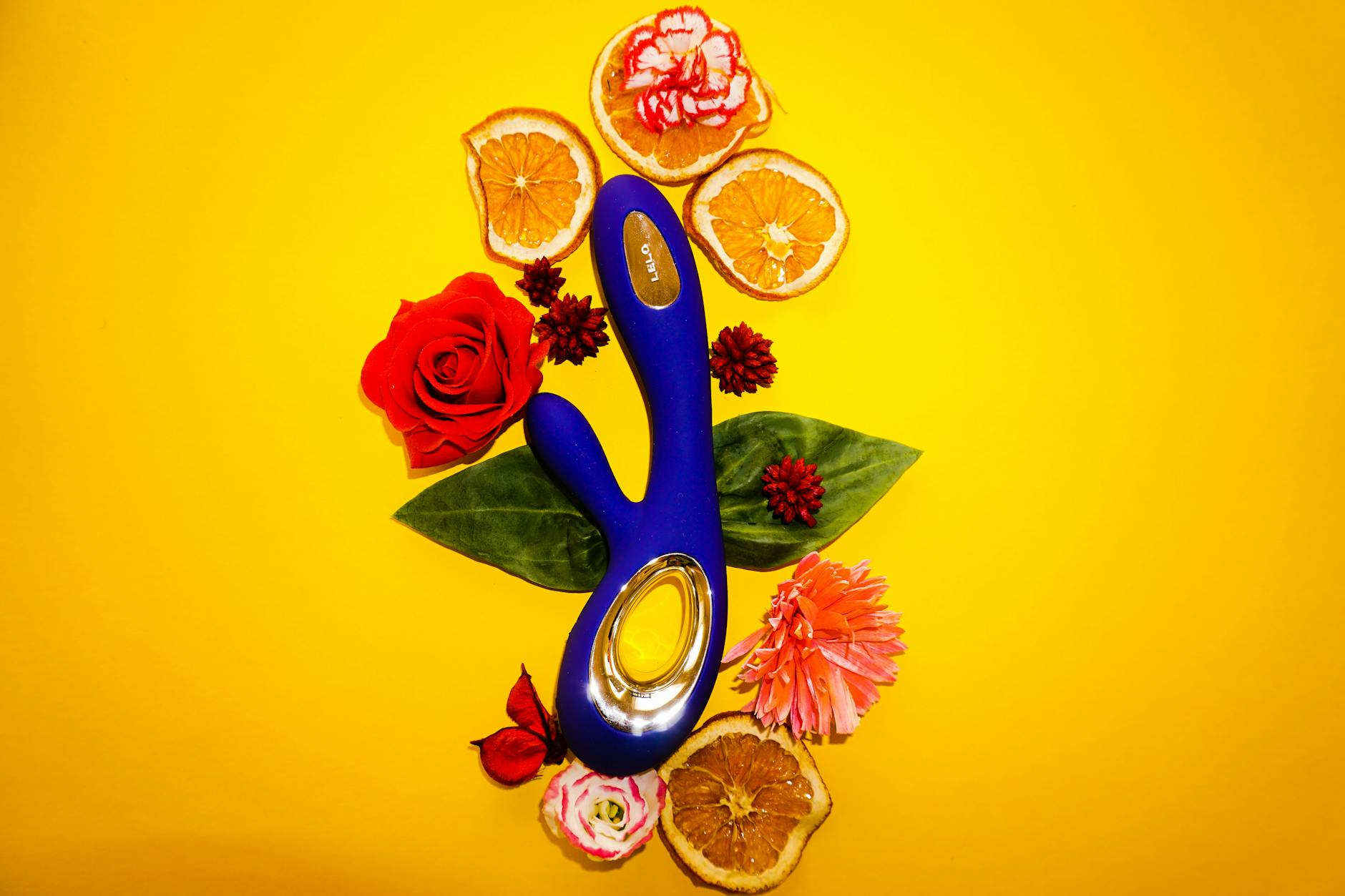
Let's start with what's actually happening
Somewhere in your early 40s, your body started asking for more time between orgasms. You used to be able to come back for round two in minutes. Now it's 20, 40, sometimes 60 minutes before your nervous system is ready to peak again. You're not broken. Your refractory period has just lengthened, and that's completely normal.
Here's the thing nobody tells you: this isn't a flaw in the system. It's a shift in how your body allocates resources. After 40, the parasympathetic nervous system (the one that governs arousal and recovery) becomes more deliberate. It takes longer to rebuild that charge between orgasms. But it also means the orgasms themselves often feel deeper, more resonant, less frantic.
Most people respond by getting frustrated and pushing harder. They grab their lemon vibrator and keep going, trying to force a second orgasm through sheer intensity. That backfires. Your nervous system gets tired, sensation goes numb, and the whole experience turns into work instead of pleasure.
Why longer recovery time is actually a feature, not a bug
Refractory periods exist for a reason. After orgasm, your parasympathetic nervous system floods with prolactin and other neurochemicals that intentionally downshift arousal. This isn't punishment. It's rest. Your body is literally telling you when it needs a break.
What changes after 40 is the length of that rest period, and sometimes the intensity required to trigger another peak. Your cardiovascular system recovers more slowly. Hormone fluctuations (whether you're pre-menopausal, menopausal, or post-menopausal) can extend the timeline. Your pelvic floor has different tone and elasticity. All of that adds up to "I need more time."
The payoff is this: when you honor that need instead of fighting it, the next orgasm arrives with a lot more depth. You're not chasing quantity. You're optimizing quality.
How to restructure a solo session with a lemon vibrator
Instead of the old rhythm (arousal, climax, quick second climax, done), try this:
First peak. Warm up for 10-15 minutes with your lemon vibrator on a lower pattern. Build slowly. When you come, let it happen. Don't rush or force it.
The in-between zone (15-40 minutes). This is where people mess up. They either keep vibrating and numb out, or they get bored and stop. Instead, step away. Go get water. Text someone. Read. Change the room temperature. Let your nervous system genuinely reset.
During this window, you can do light touch with your hands on different parts of your body. Stroke your inner thighs, your neck, your breasts. This keeps some arousal alive without pushing toward another peak. It's like letting a fire burn down to coals instead of trying to keep the flames at maximum height.
Second arousal phase (the second 15-25 minutes). Come back to your lemon vibrator when you feel the charge building again. You'll notice it as tingling, heat, or a sense of readiness. Don't show up early hoping it'll be there. Wait for the signal. When it arrives, everything is different. Your sensitivity is fresh. The stimulation lands harder even at the same pattern setting.
Second peak. Often longer, sometimes deeper. Sometimes gentler. The point is you're not forcing it. You're responding to genuine readiness.
The partner variation (if you're not solo)
If you're with a partner, the same rhythm applies but with more flexibility. You can have penetration or touch between your peak and the buildup for the next one. The rule stays the same: don't push toward another orgasm until your body signals readiness.
Many couples find that their partner's oral attention or hands feel incredible during that middle recovery zone in ways they didn't before. You're getting stimulation, but without the goal-focused pressure of climax. That quality of touch often creates deeper arousal for the second peak than any amount of rushing.
The hardest conversation is naming this to your partner: "My body needs more time between orgasms now, and that's actually better for both of us because the second one is richer." That takes vulnerability. Most partners respond with relief because it gives them permission to slow down too. Everyone benefits.
Why lemon vibrators work especially well for this rhythm
Clitoral vibrators like the lemon vibrator create consistent stimulation without requiring active effort. That matters because between peaks, you don't want to be doing work. You want to be receiving sensation and letting your nervous system recover.
The suction-based design of lemon vibrators is particularly helpful for longer refractory periods because it distributes pressure across a wider tissue area than pinpoint vibration. That means less local fatigue and more sustained comfort over extended sessions.
Start on patterns 1 or 2 during warmup. Move to patterns 3-4 as you build. After your first peak, if you use the vibrator again in that middle zone, dial it back to pattern 1. Low, steady stimulation feels like presence without demand. When you return for the second phase, you can climb the patterns again.
The mental shift that changes everything
Here's what I see in my practice: people over 40 often feel ashamed of their changing refractory period. They interpret it as a loss. "I used to have multiple orgasms, now I can barely get two." That's the wrong frame.
You didn't lose capacity. You gained discernment. Your nervous system is now forcing you to be present, to wait, to listen for readiness instead of chasing quantity. That's not a limitation. That's an upgrade to how pleasure actually works at a deeper level.
The people who struggle most are the ones fighting this shift. They white-knuckle their way to a second orgasm that feels thin and forced. The people who thrive are the ones who lean into it. They use the time between peaks to connect with their bodies in different ways. They let sensation vary. They discover that one really rich orgasm followed by 20 minutes of varied touch sometimes feels better than three rushed ones.
Common friction points and fixes
"I get bored during the recovery time." You're probably thinking of it as downtime instead of active recovery. Change that. Use it for movement, temperature play, or different kinds of touch. It's not filler. It's part of the experience.
"My partner thinks I'm not into them if I need more time." Name it explicitly: "My body is changing, and I need more recovery time between orgasms. That's separate from how much I want you." Make it about physiology, not attraction. Then prove it with presence and initiation.
"My lemon vibrator feels too intense after the first peak." You're trying to use the same pattern as before. Dial it back. Use it at lower settings during recovery phases. Sensitivity shifts dramatically between phases, and chasing the old intensity usually backfires.
"I feel like I'm wasting time if I'm not building toward another orgasm." Pleasure isn't efficient. It's not meant to be. One deep session with real recovery time between peaks is often more satisfying than rushing three. Let go of the idea that you're losing something.
FAQ: Refractory Periods and Using Clitoral Vibrators
How do I know if my refractory period is actually longer or if I'm just tired?
Refractory period is about nervous system readiness, not energy. You can feel completely alert but still neurologically unable to reach another peak. Test it: does mental arousal come back even if your body feels rested? If yes, you're in the middle of a refractory period. If no, you might be genuinely fatigued. Those are different problems with different solutions.
Can I shorten my refractory period with exercise or specific techniques?
Not significantly. Refractory period lengthening is tied to neurochemistry and hormone levels, not technique. What you can do is work with it instead of against it. Some people find that light cardiovascular activity during the recovery zone (walking, gentle stretching) keeps the nervous system engaged without demanding another peak.
Is it normal for refractory period to vary day to day after 40?
Completely normal. Stress, sleep, hydration, menstrual or hormonal cycle, medications, and emotional state all affect how long recovery takes. Some days it's 15 minutes. Some days it's an hour. That variability is the body being responsive, not you being inconsistent.
Should I use my lemon vibrator differently on days when my refractory period feels longer than usual?
Yes. If you notice recovery is taking longer, extend the middle zone and don't push toward a second peak. Instead, aim for one really satisfying orgasm plus extended gentle stimulation and touch. That often feels more complete than forcing a second peak before your body is ready.
Can a partner's touch help shorten refractory time?
Not the time itself, but a partner's presence and attention during recovery can make the experience feel less like waiting and more like connection. That doesn't speed up the nervous system, but it transforms the subjective experience from boredom into intimacy.
What if my refractory period suddenly got much longer? Is something wrong?
Abrupt changes warrant a conversation with your doctor, especially if it's combined with other shifts like loss of arousal or pain. Refractory period lengthening over months or years is normal aging. Sudden dramatic shifts can indicate medication changes, hormonal fluctuations, or other factors worth investigating.
The bottom line
Your refractory period didn't break. It evolved. When you stop fighting that evolution and start designing sessions around it, pleasure often deepens in ways that surprise you. Your lemon vibrator isn't less effective after 40. You're just using it smarter now, with real understanding of how your nervous system actually works instead of how you wish it worked.
That's not loss. That's wisdom.
If you're navigating longer refractory periods with a partner and communication feels stuck, reach out about working together. Many couples find that understanding this shift physically also opens up deeper conversation about timing, desire, and what intimacy actually means at this stage of life.