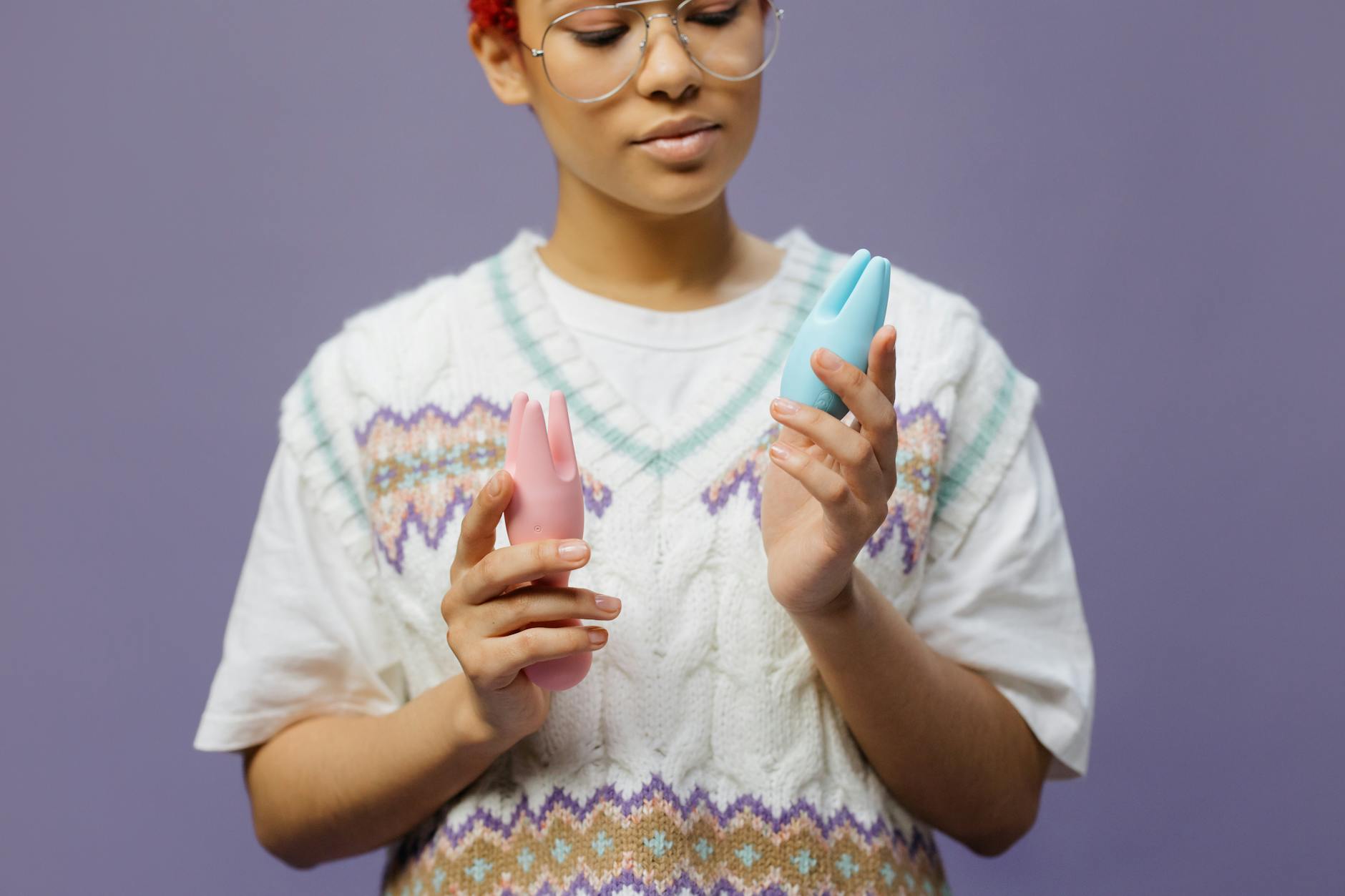
How to Use a Lemon Vibrator With a New Partner for the First Time
Here's the thing: introducing a lemon vibrator to someone new feels riskier than it actually is. There's this invisible rulebook we're all taught that says toys only come into the conversation after some undefined time has passed, usually after you've both "tested the waters" together. Except that rulebook was written by people who weren't getting what they needed, and honestly, it's time to ignore it.
The truth is that a clitoral vibrator isn't a referendum on your partner's sexual skills. It's just a tool. But the way you introduce it absolutely matters, because the conversation carries weight your partner will feel, whether you mean it to or not.
I've worked with hundreds of couples navigating this exact moment, and the ones who do it well tend to follow a pattern. Not because they're naturally confident, but because they separate the logistics from the emotions. Let me walk you through both.
The emotional setup: why timing is everything
Bring up toys too early (first few weeks, when you're still in the fog of early attraction), and it reads as agenda. Bring it up too late (after months of assumptions have calcified), and it reads as criticism of what you've been doing together.
The sweet spot is usually 4-8 weeks in. You've had enough sex that the initial anxiety has worn off, but not so much that patterns have hardened into identity. At this point, your partner is less likely to hear "you're not enough" and more likely to hear "I want to feel more."
Look for a moment when you're both relaxed but not in the middle of sex. Post-sex conversations are often emotionally open but physically vulnerable. A car ride, dinner at home, or a quiet evening works better. You want their full attention without the pressure of performance looming.
What to actually say
Forget the long setup. Forget the disclaimer. Forget apologizing for wanting pleasure.
Try this: "I've been using a lemon vibrator, and I think it would feel incredible with you. I want to try it together, if you're open to it."
That's it. Three sentences. You've stated the fact, you've named the device (no vagueness), and you've made it collaborative. No questions about whether they'll "let" you, no softening language, no "I know you might not like this but."
Their response will land somewhere on a spectrum. Some partners will say yes immediately. Some will ask questions first. Some will need time to sit with it. All of these are normal.
If they ask questions (the most likely outcome)
Partners almost always ask questions. That's not rejection. That's them processing. Here are the ones that come up most often, and what actually helps:
"Does this mean I'm not enough?" This is the real fear underneath most pushback. The answer is no, and you can say why: "Pleasure isn't a zero-sum game. A clitoral vibrator works differently than your hand or mouth. It's not better or worse, just different. I want more of everything, including this."
"Will you get bored with me?" The subtext here is "will you leave me for the toy." Genuinely reassure them: "I want to feel good with you. That's why I'm telling you, not sneaking around about it."
"How do I use it?" Finally, a practical question. This is a good sign. Tell them: "There's not much to learn. You can hold it while I guide you, or I can use it on myself while you're inside me or we're doing other things. We figure it out as we go."
The first time using it together: logistics matter more than you think
You've had the conversation. They said yes or "let me think about it." Now what?
Don't ambush them in the bedroom with a lemon vibrator already buzzing. That's a power move neither of you wants. Instead, introduce it like you'd introduce any new element: with intention and zero pressure.
Set up the moment: "Hey, I want to try that thing we talked about. Do you want to do that tonight?" This gives them time to mentally prepare, which actually increases the odds they'll enjoy it.
When you're together, start with touch and connection first. Get aroused through conventional means. When you both feel ready, bring the toy in slowly. You can hand it to them and guide their hand, or you can use it on yourself while they watch and participate however feels natural.
The first time, keep it simple. You're gathering data: does it feel good? Are they comfortable watching? Do they want to hold it? Does the mood change? None of these answers have to be permanent. You're experimenting, not committing.
The partner who needs more time
If they asked for time to think about it, respect that. Don't bring it up again for at least a week. If they circle back, great. If they don't, you have a choice: you can wait longer, or you can use your lemon vibrator solo and let that be separate from partnered sex. Both are valid.
A lot of people assume toys have to be a couples activity. They don't. Solo pleasure and partnered pleasure are different experiences. You can have both.
That said, if someone is firmly against toys after you've had a real conversation about why they matter to you, that's useful information about compatibility. Not a dealbreaker necessarily, but information.
What a lemon clitoral vibrator actually does (the practical part)
If your partner is still curious but skeptical, demystifying the device helps. A lemon vibrator uses suction stimulation rather than traditional vibration, which means it creates a different sensation on the clitoris. Many people find this gentler and more localized than a standard wand.
You can incorporate it into sex multiple ways: during foreplay, during penetration (if that's what you do), during oral sex, or as the main event while your partner touches you elsewhere. There's no script. You're writing it together.
When insecurity shows up (and it will)
Some partners stay quiet during the moment but get weird afterward. "I felt like I wasn't doing enough," or "I felt left out," or "I didn't know what to do with my hands."
This is normal. Bring it up directly: "I noticed you seemed quiet. Talk to me about what you felt." Their job is to be honest. Your job is to listen without defending yourself. Then you problem-solve together. Maybe they need to stay more physically connected. Maybe they need to hold it themselves. Maybe they need to know it's not a permanent addition to your sex life.
Different partners, different needs. But the pattern is the same: notice, ask, listen, adjust.
The difference between "trying" and "integrating"
Using a lemon vibrator once with a new partner doesn't mean you're now "a couple who uses toys." It means you tried something. That's it.
If you both like it, you can use it again. Maybe regularly. Maybe occasionally. If one of you didn't enjoy it, you don't have to do it again. You're not locked into anything.
I think a lot of the anxiety around this conversation comes from the assumption that introducing a toy means forever changes the dynamic of sex. It doesn't. It means you had a conversation, you tried something, and you learned something about what you both like. That's just intimacy doing its job.
A note on communication after the fact
Let the moment breathe before you debrief. Don't launch into analysis right after sex. Give yourselves an hour or a day. Then, when you're both calm and clothed, ask simple questions: "How did that feel?" and "Do you want to do that again?" and "Is there anything you'd change?"
Their answers matter. Your partner's comfort and pleasure are as real as yours. If they didn't like it, that's not failure. That's data. Use it to figure out what comes next, whether that's trying a different approach, a different toy, or moving on to something else entirely.
The actual secret
Honestly though, the thing that makes this conversation easier is getting out of your own head first. Stop catastrophizing about rejection. Stop assuming they'll judge you. Stop treating your pleasure like a favor you're asking them to grant.
Your sexuality is yours. A lemon vibrator is just a tool you want to use. That's not shameful. That's not desperate. That's taking care of yourself. A partner worth having will respect that, even if toys aren't their thing.
Start the conversation. See what happens. You might be surprised how many partners were just waiting for permission to talk about this stuff too.
People Also Ask
How do you bring up using toys with a new boyfriend or girlfriend for the first time?
Pick a calm moment outside the bedroom, state it directly without apology, and frame it as collaborative. Something like: "I use a lemon vibrator and I'd love to try it with you. Are you open to that?" gives them clear information without pressure. Their reaction tells you a lot. If they ask questions, answer honestly. If they need time, give them space. Avoid over-explaining or apologizing for wanting pleasure.
Will using a lemon vibrator with a partner change how they see me?
Not in the way you're afraid of. A partner who respects you will see your sexuality as a strength, not a weakness. Using a clitoral vibrator is not a referendum on their skills. It's just a different sensation. Most partners worry about it far less than you do, especially once you're actually using it together and they see how natural it is.
What if my partner is uncomfortable with lemon vibrators?
Discomfort is different from refusal. Ask why specifically they're uncomfortable. Is it anxiety about their role? Concern about addiction? Feeling inadequate? Different concerns need different conversations. If their discomfort is based on misconception, education helps. If it's based on real values conflict, that's bigger. You can use it solo, or you can decide together that it's not part of your shared intimate life. Both are okay.
Should I use a lemon vibrator during sex with a new partner or wait until after?
Wait until you're both comfortable with partnered sex first. Then, once that feels natural, introduce the toy into that existing comfort. First time using it together, keep it simple: solo pleasure while they participate, or them holding it while you guide. You're gathering information about what feels good for both of you. There's no timeline.
How long should you wait before bringing up toys with someone new?
Generally 4-8 weeks in is ideal. Early enough that you're not entrenched in patterns, but late enough that you've had enough sex that the initial nervousness has worn off. This window gives you the best shot at them hearing your actual request instead of their own insecurity. That said, if it feels natural earlier, there's no rule against it.
Can using a lemon vibrator together actually bring you closer as a couple?
Yes, but only if the conversation around it is open and honest. Shared vulnerability and pleasure can deepen intimacy. The opposite is also true: using a toy without real communication can create distance. The toy itself isn't the variable. The willingness to talk about what you both want is.
A closing thought
Introducing a lemon clitoral vibrator to a new partner forces you to have a conversation you might not have otherwise: what do we both want? What feels good? What are we open to trying? That's not awkward. That's actually the foundation of good sex at any stage of a relationship.
You're not asking permission to be a full person with needs. You're inviting them into that fullness. That's different. Act like it.