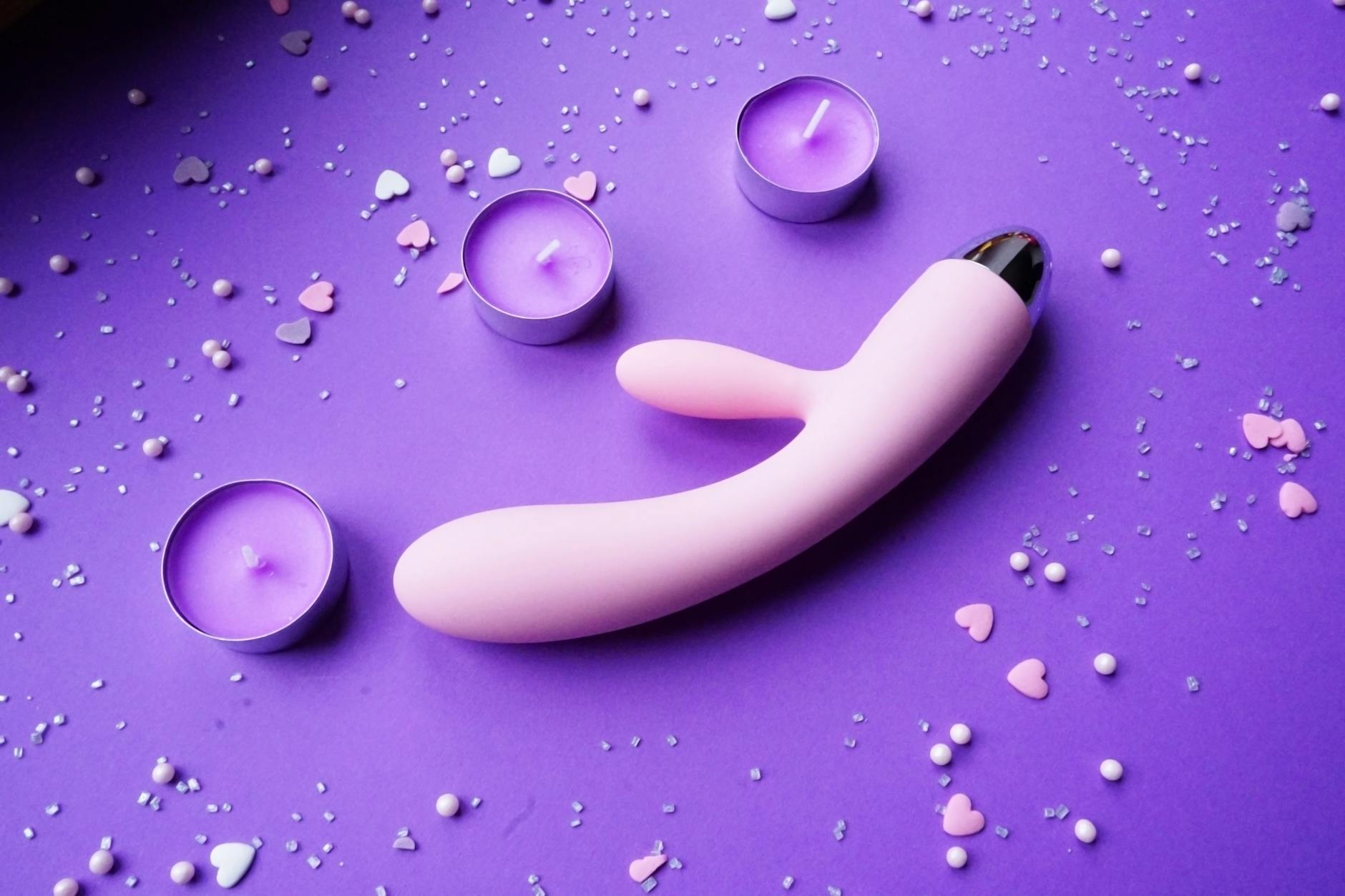
Let's talk about coming back
Sensation loss is one of the least discussed side effects of medication, illness, or medical treatment. And the way it vanishes quietly can be almost scarier than the symptom that made the medication necessary in the first place. Then one day, you feel a tingle. A response. Something your body had stopped doing for months. It's real, and it's disorienting, and you probably don't know what to do with it.
This is the guide I wish someone had handed me.
Why numbness happens (and why it can take time to reverse)
Medications like SSRIs, certain blood pressure drugs, and even some cancer treatments can dull or block clitoral sensation by affecting blood flow, nerve signaling, or how your brain processes touch. Other causes include prolonged stress, diabetes management, or recovery from pelvic procedures. The mechanism varies, but the result is the same: your body stops responding the way it used to.
When sensation starts returning, it doesn't come back all at once. Usually it's patchy and inconsistent. You might feel something one day and nothing the next. Your nerve endings are essentially waking up, and that process is delicate. The worst thing you can do right now is push too hard, too fast, trying to prove you're "normal" again.
The first week back: observation, not activation
Honestly though, your first job is just noticing. Don't go straight for a lemon clitoral vibrator or any toy yet. Spend a few days (or a week) touching yourself with your fingers only. Warm bath helps. No pressure to orgasm. The goal is to get a baseline: where do you feel anything? What kind of touch registers?
You might notice your clitoris feels different than it did before numbness. Less responsive to direct pressure. More reactive to lighter touch around the edges. Maybe it takes longer to warm up. Write this down. Seriously. This information is gold when you're ready to reintroduce tools.
This phase matters because returning sensation often comes with some temporary hypersensitivity or weird nerve misfiring. Your body hasn't processed touch in a while. Easing in prevents overstimulation and the frustration of feeling like you've failed when actually your body just needed a slower runway.
When to introduce the lemon vibrator: the readiness checklist
You're ready for a lemon sexual toy when all three of these are true.
Sensation is consistent, not random. You're feeling responses most days, and they feel stable. Not "brilliant one day, completely numb the next."
You want to, not because you think you should. Huge difference. Obligation kills recovery. Your motivation should be curiosity and mild desire, not "I need to prove I'm fixed."
You've talked to your doctor if the numbness was medication-related. Ask specifically: is sensation returning a sign my body is adjusting well, or should I still be cautious? Some medications improve sexual function after a few months. Others don't. Knowing which camp you're in helps you set realistic expectations.
Starting slow with the lem vibrator: the protocol
Here's what I tell people who are reintroducing lemon vibrators after numbness.
Session 1: Lowest setting, ten minutes maximum. Warm yourself up first with five minutes of finger touch. Then switch on the lemon vibrator to pattern 1 (the gentlest suction). Don't aim for orgasm. You're just letting your nervous system remember what vibration feels like. Most people feel a subtle buzz, maybe some warmth. That's success. Done.
Sessions 2-4: Same setting, same time, small variation. Keep using pattern 1, but try different positions. Indirect contact (vibrator on the inner labia, not directly on the clitoris). Try it through your underwear. The goal is to find the angle that feels most natural now, because your body has changed during the numbness period.
Sessions 5-8: Gradual intensity increase. Move to pattern 2 after four sessions at pattern 1. Spend another four sessions there. Yes, this is slow. Yes, it works. Slow reintroduction prevents the nervous system shock that makes you feel like nothing's working.
After two weeks: Listen to your body. By now you should know whether this feels good, neutral, or off. If you're consistently enjoying it, you can start experimenting with different patterns and durations. If it still feels distant, stay at the lower intensities. There's no finish line here.
The emotional part (which is often bigger than the physical part)
Losing sensation is a grief. Getting it back is confusing because you might expect to feel grateful and relieved, and instead feel overwhelmed, or angry at your body, or weirdly detached from the whole experience.
This is normal. Your relationship with your body changed during numbness. It might take time to rebuild trust. Using a lemon sucker or any adult toy during this phase isn't just physical. You're sending your body the message that you're willing to reconnect, that pleasure matters to you again, that you're not just getting through the day anymore. That's big.
If you have a partner, they might have their own complicated feelings about your numbness and your recovery. Desire loss and pleasure loss often get tangled up with attraction and rejection feelings, even when intellectually everyone knows the medication wasn't personal. If that's your situation, how to use a lemon vibrator with your partner is worth reading together.
What to expect in weeks three and four
Arround week three, sensation usually stabilizes further. You might notice you can feel intensity gradations more clearly. Patterns that felt identical in week one now feel different. Your clitoris is remembering its own preferences.
Some people experience a brief surge in sensitivity around week four. It's not always pleasant. You might find patterns that felt fine suddenly feel too intense. That's your nerves firing in new ways as they fully reactivate. Dial it back. Move to a gentler pattern. This is temporary, and it's actually a positive sign your nervous system is healing.
Your pleasure coming back doesn't mean you wasted time while you were numb. It means you're rebuilding something real.
One thing nobody tells you: sometimes orgasms feel different after sensation returns. Easier for some people, harder for others. Stronger, weaker, the same but slower to build. How long it takes to orgasm with a lemon clitoral vibrator varies wildly, and that variation is completely fine. You're not chasing the orgasm you used to have. You're discovering the one you have now.
Staying patient when progress feels slow
Here's the thing I see most often: people get frustrated around week two. They expected faster progress. They think their body is broken because sensation is still patchy, or because a lemon vibrator that should feel amazing feels kind of medium.
Your body isn't broken. Your nervous system is literally rewiring itself. That takes time. Eight weeks is actually pretty standard for substantial improvement. Six months isn't unusual for full recovery. That's not a failure. That's biology.
If sensation isn't improving after six weeks, or if it's getting worse, loop in your doctor. Sometimes numbness from medication improves with a dosage adjustment or a switch to a different drug. If it's post-procedural numbness, your gynecologist should know the timeline you're looking at. Getting clear information beats guessing.
Moving beyond the lemon vibrator (when you're ready)
After four to six weeks of consistent use, your body usually tells you whether the lemon vibrator is actually working for you or whether you want to explore other tools. Some people find the suction of the lem is perfect for their returning sensitivity. Others prefer the more gradual sensation of a clitoral vibrator with traditional vibration. Both are valid.
The point of this whole phase isn't to force yourself to like any particular tool. It's to rebuild your nervous system's trust in touch, to give your body permission to feel good again, and to do it at a pace that actually works instead of a pace you think you should be at.
That's recovery. That's what it actually looks like.
People also ask
Can I use a lemon vibrator if I'm still taking medication that caused the numbness?
Yes, but talk to your doctor first. If your numbness is medication-related, your doctor might adjust your dosage or try a different medication that has fewer sexual side effects. Once you know that's the plan, lemon vibrators and other tools can help you rebuild sensation while those changes take effect. Some medications' effects take weeks or months to reverse even after you stop taking them, so patience matters.
How do I know if my sensation is coming back or if I'm just imagining it?
Trust what you feel, not what you think you should feel. Real returning sensation is consistent. It happens the same way most times you touch yourself. Imagined sensation feels uncertain and varies wildly. Real returning sensation might feel different or slower than before, but there's a clear physical response. Imagined sensation feels more like hope than sensation. The lemon clitoral vibrator will help clarify this because the suction creates a distinct, unmistakable sensation that's harder to confuse with imagination.
Is it normal to feel frustrated or disconnected even as sensation comes back?
Completely. Numbness affects not just your body but your relationship to pleasure, your confidence, and sometimes your relationship with a partner. Coming back isn't just about the physical sensation returning. It's about rebuilding your sense of yourself as a person who can feel good. That's emotional work, and it's totally separate from the physical recovery. Both timelines exist. Be patient with both.
What if sensation comes back but it feels different or less intense than before?
This is common, and it's usually temporary. Nerve endings rebuild at different rates. Some fire strongly right away. Others take weeks to reach their previous sensitivity. You might also find that your preferences have shifted. Touch that used to feel amazing might now feel too intense, or something you never liked might suddenly feel incredible. Your body has changed. That's not worse. It's different. Give yourself permission to learn it.
Can I use a lemon sucker if I have diabetes or other conditions that affect sensation?
Yes, but start even more gradually. Conditions like diabetes can slow the timeline for sensation recovery and sometimes limit how much sensation fully returns. Work with your doctor on realistic expectations. The lemon vibrator can be a helpful tool during recovery, but it works best when you're not trying to force a speed of progress that isn't actually possible for your body.
Should I tell my partner I'm using a lemon vibrator during sensation recovery?
That depends on your relationship and what transparency looks like for you. If your partner is involved in your sexual life, yes. If it's solo exploration, you get to decide. What matters is that you're not hiding it from shame. If you're keeping it secret because you feel embarrassed about your body or your recovery, that's worth exploring separately. Your pleasure coming back matters. How to introduce a lemon vibrator to a reluctant partner addresses this if you need support in that conversation.
The real timeline
Honestly, the hardest part of sensation recovery isn't the physical part. It's the waiting, the uncertainty, the frustration when progress is slower than you want it to be. You're essentially asking your body to wake up from a long sleep, and that takes the time it takes.
What the lemon vibrator does is give you a tool that works with your timeline, not against it. It's gentle enough for early recovery. It's consistent, so you can actually measure progress. And it's designed for the exact kind of subtle, building stimulation that returning sensation actually needs.
Your pleasure is coming back. You're not broken. You're just on your own schedule, and that's exactly how it should be. Give yourself the same grace you'd give a friend in the same situation. That's where real recovery starts.