
The part nobody warns you about
Recovery isn't a straight line. You finish therapy. You set boundaries. You get through the first awkward conversation with your partner. And then month four rolls around, and you're back to square one because a song triggered something you thought you'd moved past. That's not failure. That's neurology.
Here's what I've learned working with couples in recovery: the expectation that you'll "get back to normal" by a certain date is often the thing that derails actual healing. Your nervous system doesn't care what your calendar says. It heals in loops and spirals, not straight lines. And that's okay.
One of the most useful tools I recommend to clients whose recovery is taking longer than they expected? A lemon vibrator. Not because it magically speeds things up, but because it gives you a way to practice reconnection on your own terms, at your own pace.
Why your recovery timeline might be longer than you think
Three things routinely surprise people about the healing timeline.
First: the initial improvement isn't the full story. You might feel better in weeks. Relief is real and it's valid. But relief is not the same as resolution. Relief is your nervous system going "okay, the immediate danger has passed." Resolution is rewiring your baseline assumptions about safety, trust, and pleasure. Those rewirings take months, sometimes years.
Second: triggers don't disappear on schedule. Your brain learns patterns faster than it unlearns them. A smell, a season, a type of conversation. your nervous system is still wired to flag these as red alerts even when you intellectually know they're safe. This doesn't mean you're broken or backsliding. It means your body is still catching up to your mind.
Third: other life stress compounds everything. You're not recovering in a vacuum. Work gets harder. Relationship dynamics shift. Family stuff emerges. Your capacity for intimacy shrinks proportionally. People often interpret this as "we're not healing," when really it's just "we're human beings managing multiple stressors." Your nervous system can only regulate so much at once.
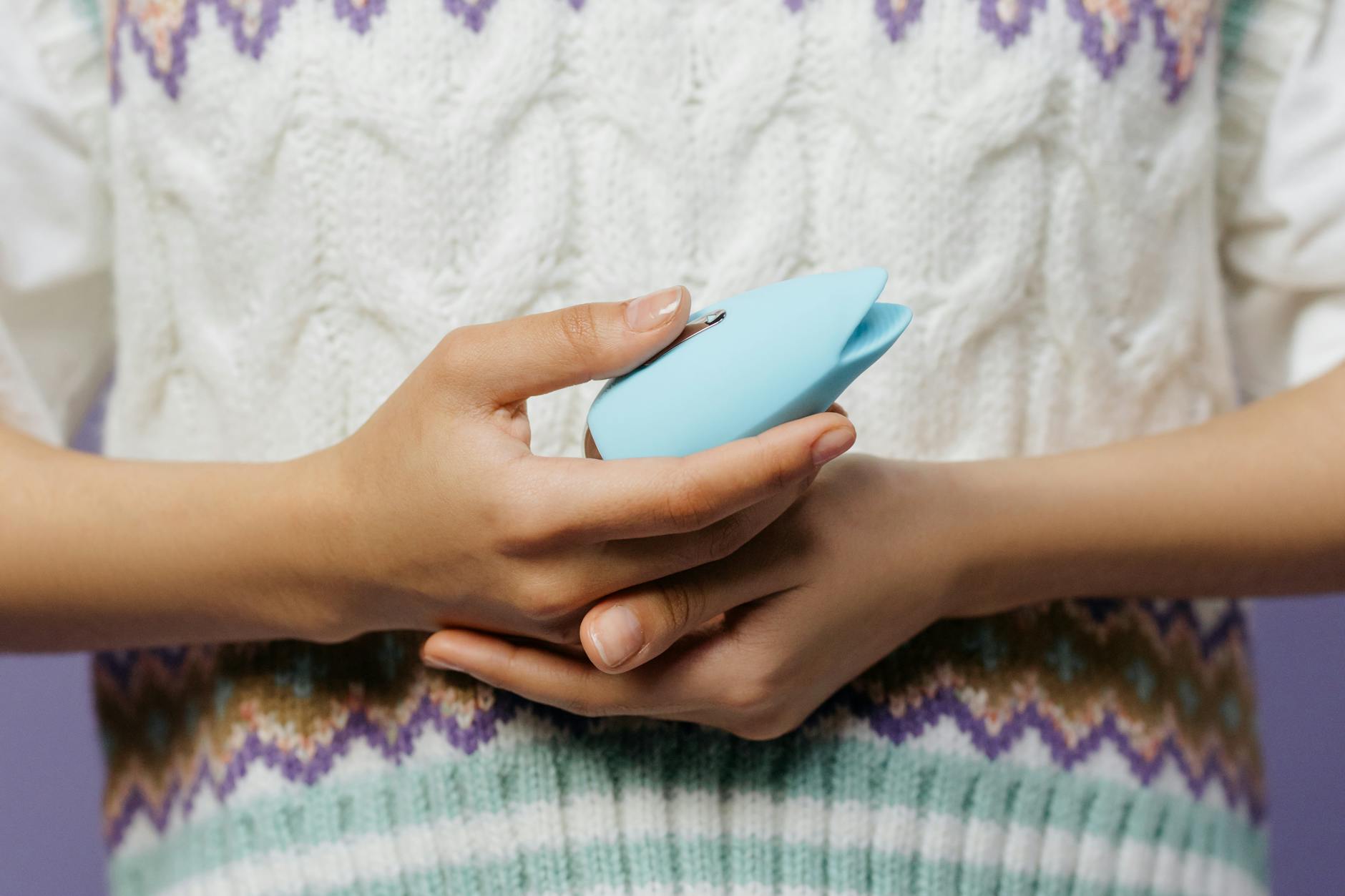
Photo by cottonbro studio on Pexels
What a lemon vibrator does differently in recovery
Lemon vibrators, especially the suction-based design of the Lem, work well during recovery specifically because they don't require the same level of psychological surrender as partnered sex does. You're not managing anyone else's pleasure, expectations, or pace. You're managing your own nervous system.
Here's what makes them useful:
Air-suction stimulation is gentler on the nervous system. The sensation is concentrated rather than percussive. This means fewer unexpected jolts, less likelihood of a sensation triggering a flashback. You get stimulation that feels more like a sustained state than a series of micro-shocks.
You control the intensity completely. The Lem has multiple intensity settings. You start at level one. You stay there as long as you need. If something feels uncomfortable, you stop. If you want to speed up, you do. If you want to pause and breathe, you pause. This autonomy is genuinely healing. Your nervous system learns through repetition that you can start and stop sensation whenever you choose. That's not a small thing in recovery.
Solo practice rewires your pleasure neural pathways. When recovery involves trauma or relationship disconnection, your body often associates pleasure with the presence of the other person (or worse, with the moment things went wrong). Solo pleasure, practiced regularly with a tool that feels good, slowly rewires this association. You're teaching your nervous system that pleasure can exist independent of someone else's presence or approval.
A realistic recovery timeline using solo exploration
I tell clients to think of this in phases rather than a fixed endpoint.
Months one to three: reconnection. You're using the lemon vibrator to simply notice what sensation feels like. Not to reach a goal. Not to prove anything. Just to spend 10 to 15 minutes with yourself noticing. Does suction feel better than vibration? Does level one feel too intense or too gentle? This is all information. Your only job is to show up.
Months three to six: consistency. You've picked an intensity that works. Now you're building a rhythm. Maybe three times a week. Maybe daily. There's no "right" frequency. The goal is consistency enough that your nervous system starts to recognize this as safe, predictable pleasure. You're teaching your body that this sensation is yours, not earned, not conditional.
Months six to twelve: integration. You might notice that partnered sex feels less fraught because you've proven to yourself (through repetition) that you can experience pleasure independently. Or you might notice you're able to communicate better about what you need because you now actually know what you need. Or you might still be circling back to trigger points and that's fine too. Recovery doesn't have a finish line.
None of this is linear. You might spend three months in phase two, then drop back to phase one because a stressor emerged, then jump forward again. That's not regression. That's how healing actually works.
When recovery takes longer because trust is the actual issue
Here's a distinction that matters: recovery from a single incident (a violation of boundaries, a betrayal, an unwanted advance) follows one timeline. Recovery from a pattern of being misunderstood, dismissed, or pressured follows a different one.
If someone has spent years learning that their "no" doesn't matter, or that pleasure is something they're supposed to perform rather than feel, the rewiring takes longer. This isn't pathology. It's adaptation. Your nervous system learned these patterns through repetition and consistency. It unlearns them the same way.
The lemon vibrator matters more in this second scenario because it's a tool for practicing the opposite of that pattern. It's a sustained experience where your pleasure is the only thing that matters. Where your "no" means you stop immediately. Where nobody is waiting for you to finish or watching your face or asking "did you?" You're teaching your body an entirely different script.
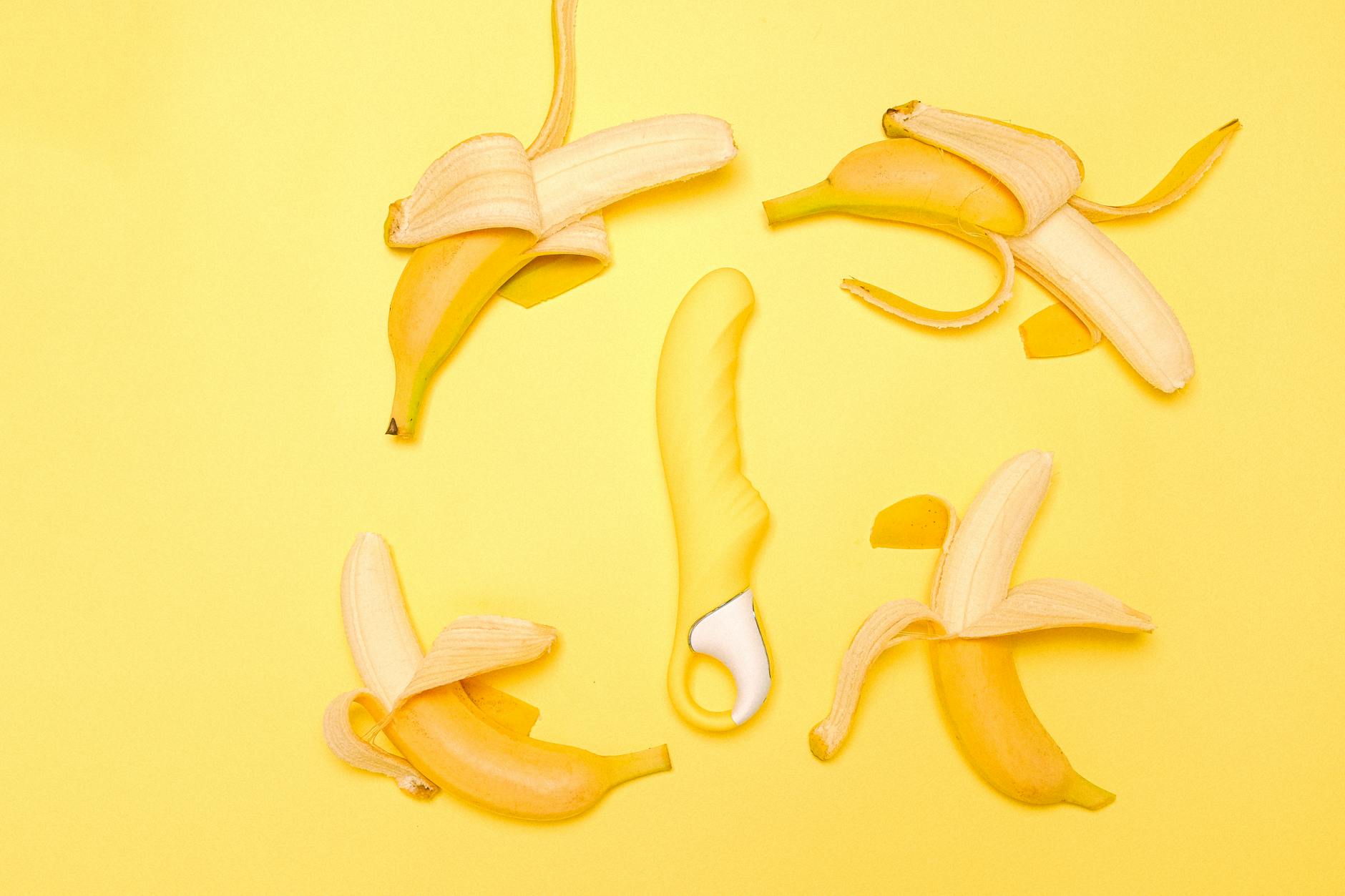
Photo by Anna Shvets on Pexels
The conversation to have when recovery is taking longer
If you're in a relationship, your partner deserves to know that the timeline isn't arbitrary. They should hear this: "Recovery from what happened isn't something I can speed up by willpower or by being a better partner. My nervous system is rewiring itself. That takes time. Here's what actually helps right now."
What helps right now might be:
- Solo exploration with a lemon vibrator so you're not putting pressure on partnered intimacy to happen on a timeline
- A commitment that you'll communicate when something feels unsafe (not as blame, but as information)
- Patience with your own arousal, which might feel broken but is just cautious
- An agreement that you'll revisit the conversation about sex in three months, not every week
If you're recovering alone, the permission you need to hear is this: you don't owe anyone a timeline. If it takes a year to feel safe in your own skin again, that's not a failure. That's how long it takes for some people. Your only job is to keep showing up to yourself.
When solo exploration isn't enough
Sometimes recovery plateaus despite consistent solo practice. This usually means one of three things is happening: you're touching on a trigger that needs professional support to move through, the original harm was more significant than you initially recognized, or you're punishing yourself for "not being healed yet" and your nervous system is responding to that internal criticism rather than external safety.
A good therapist (especially one trained in somatic work or trauma-informed care) can help you move through those plateaus in weeks what might otherwise take months alone. This isn't a failure of solo practice. It's recognizing when you need another person's expertise.
If you've never orgasmed before, solo exploration might hit a different kind of plateau. That's a separate conversation worth having with someone who specializes in anorgasmia.
The permission you actually need
Here's what I tell every client whose recovery is taking longer than they expected: your healing is not behind schedule. There is no schedule. The only measure that matters is whether you're treating yourself with more gentleness this month than you were treating yourself last month. That's it.
A lemon vibrator helps because it gives you a concrete, tactile way to practice that gentleness. It's a tool that says "my pleasure matters enough to spend time on." When you're recovering from anything that taught you the opposite, that message matters more than orgasm does.
Your nervous system will finish rewiring itself. It always does. But it will do it in its own time, not in the time you think you should be "over it" by.
People also ask
How long does it usually take to feel comfortable with pleasure again after trauma?
There's no universal timeline, but research suggests most people see significant shifts in three to six months of consistent, supported recovery work. That said, some people heal faster, some slower, and many experience a spiral pattern where they improve, plateau, then improve again. The key is that three to six months is usually when you notice yourself thinking about sex less anxiously, not when you're "done" recovering. Full integration often takes a year or more.
Can using a lemon vibrator actually rewire my nervous system?
Yes, but not magically. Your nervous system learns through repetition and safety. When you use a lemon vibrator in a context where you control intensity, you can stop anytime, and nobody is watching or expecting anything, you're creating a new neural pathway. That's different from your body's learned associations with pressure or performance. Repetition matters more than intensity. Consistency matters more than duration.
What if I feel nothing, even with a lemon vibrator?
Numbing is a common trauma response. Your body literally turns off sensation to protect itself. This usually resolves with time and safety, but it can take months. A therapist trained in somatic work can help. In the meantime, don't push for sensation. Numbness is your nervous system doing exactly what it's supposed to do. Your job is to be patient with it, not to force it.
Should I tell my partner I'm using a lemon vibrator for recovery?
If you're in a relationship where honesty matters (which it should), yes. Frame it clearly: "I'm doing this to reconnect with my own body safely." Some partners appreciate being told because it relieves pressure on them to "fix" your intimacy. Some partners feel threatened because they misunderstand what solo exploration means. If your partner responds with jealousy or pressure, that's a sign you might need to address the underlying relationship dynamic separately.
Is there a point where I should stop using a lemon vibrator and try partnered sex?
These aren't either-or. Solo practice doesn't have an end date. But you're probably ready to return to partnered intimacy when you can have solo pleasure without thinking about your partner (meaning you're not performing it in your head), and when you can communicate clearly about what you need without feeling guilty. That's usually somewhere in the six to twelve month range, but could be longer.
What if recovery triggers a breakup?
This happens more than people talk about. Sometimes when you start healing and reconnecting with your own pleasure, you realize the relationship isn't serving you. That's not recovery failing. That's recovery succeeding at its actual job: helping you understand what you need and want. If a relationship can't accommodate your healing, that's information, not failure.