How to Use a Lemon Vibrator With a New Partner After Divorce
Let's be real. After a divorce, the idea of being intimate with someone new can feel overwhelming. You're carrying muscle memory from a long relationship, possibly self-doubt about your body or your desirability, and a totally justified wariness about vulnerability. That's not something you just think your way out of. Your nervous system needs evidence that intimacy can feel good and safe again.
A lemon clitoral vibrator isn't a magic fix. But it is a permission structure. It's a way to shift the focus from performance to sensation, from "Am I doing this right?" to "What actually feels good to me right now?" With a new partner, that distinction changes everything.
Why rebuilding pleasure after divorce feels different
Divorce doesn't just end a relationship. It often rewires your sense of your own body. Years of predictable (or unpredictable) sex with one person, maybe resentment, maybe just routine, can numb you to what turns you on independently. You might find that you've forgotten what makes you come, or worse, you've forgotten that your pleasure was ever the point.
Then someone new shows interest, and suddenly you're in a high-stakes vulnerability audition. You're wondering if your body still works the way it used to. You're second-guessing your desires. You're performing reassurance that you're "normal" when what you actually need is to remember that normal is whatever works for you.
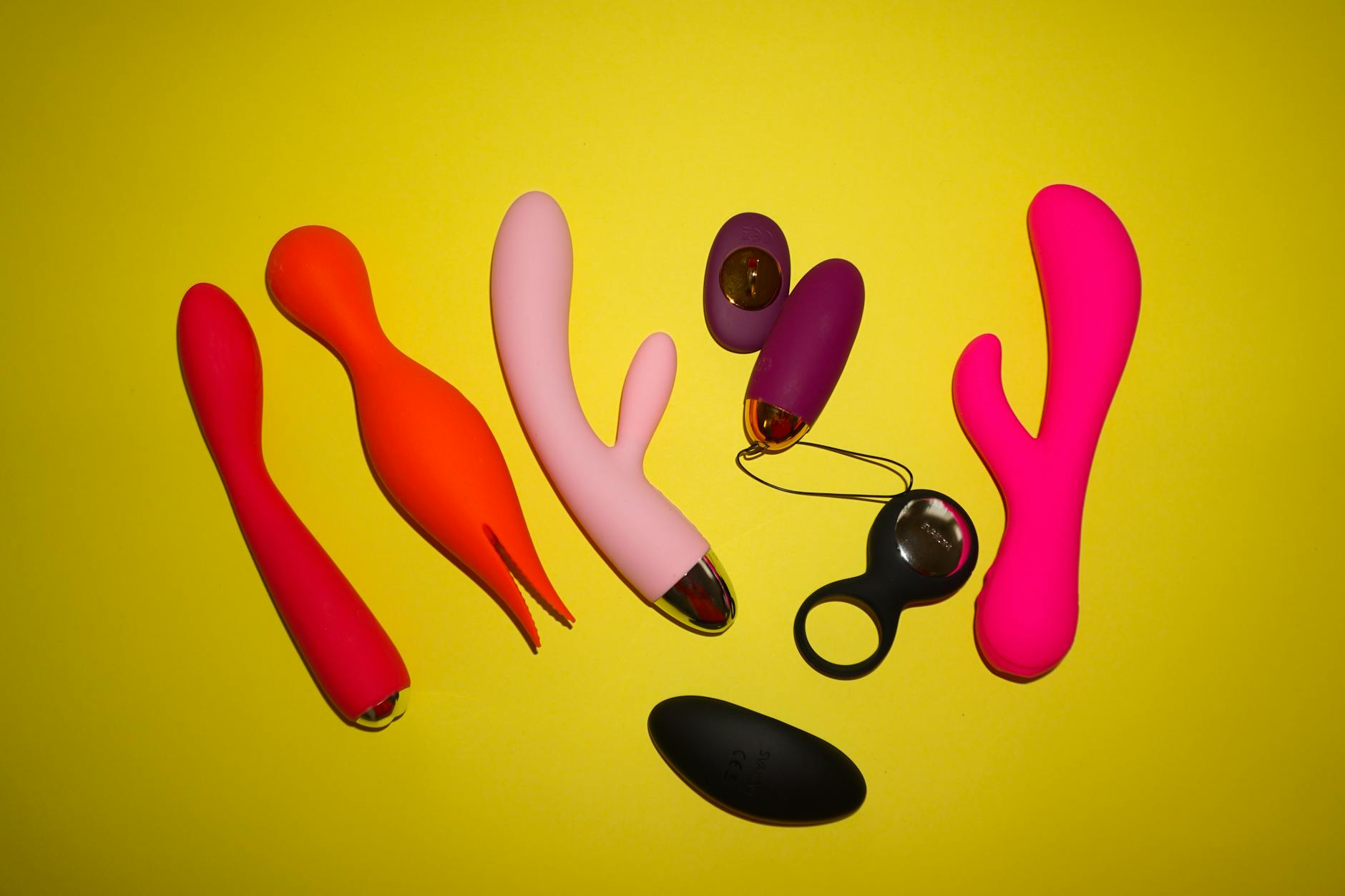
Introducing a lemon sexual toy early, with consent and conversation, flips the script. You're not asking your new partner to fix you. You're saying: "I want to feel good. I want you here while that happens. Here's a tool that helps." That's partnership. That's also genuinely arousing for most people because it's honest.
The conversation before you bring it up
Timing matters. Don't pull out a lemon vibrator mid-foreplay unless you've already talked about toys, sex preferences, and what you're both looking for. The conversation should happen clothed, during daylight, when neither of you is aroused.
You might say: "I want to be honest about what helps me feel good. After my marriage, I lost touch with my own pleasure for a while. I've found that using a toy helps me get out of my head and actually feel what's happening. I'd like to try that with you, if you're open to it."
If they push back, listen to why. Sometimes it's insecurity. Sometimes it's misinformation (the myth that toys mean you're unsatisfied with them). Sometimes it's a genuine incompatibility worth knowing about early. Don't convince them. If they can't support your pleasure, they're not your person.
If they're interested, or enthusiastic, or even just curious, you have a partner worth continuing with.
How to use a lemon clitoral vibrator together (the actual mechanics)
Start slow. This isn't about technique. It's about presence.
Begin with foreplay as you normally would. Kissing, touching, whatever you both enjoy. Let yourself get aroused. When you're starting to feel something building, either you or your partner can introduce the lemon vibrator.
A lemon suction-style vibrator like the Lem works differently than traditional vibration. It doesn't buzz against your clitoris. It gently cups and pulses, mimicking the sensation of oral sex. This is especially useful after divorce because it feels less clinical and more intimate than a standard vibrator. Your partner can hold it, or you can, or you can hand it back and forth.
Start at the lowest intensity setting. Suction stimulation is intense, and you don't need the highest setting to feel it. Most people find settings 1 or 2 are plenty. Your partner can stay close, keep touching you, keep kissing you. The toy isn't replacing them. It's adding sensation while they're still present.
If you orgasm, great. If you don't the first time, also great. The point is that you're rebuilding the neural pathway between "touch" and "feeling safe." That takes time.
What to expect emotionally (and how to handle it)
Some people cry the first time they have pleasure-focused sex after divorce. Not sad tears. The kind where your nervous system suddenly realizes it's allowed to relax. Your partner should know this is possible and normal.
You might also feel vulnerable shame. Like, why didn't my body just work without the toy? Here's the thing: your body is not broken. A lemon clitoral vibrator isn't a crutch. It's a tool, the same way lube is a tool or communication is a tool. You wouldn't feel shame using lube. Don't feel it for this either.
If your partner makes you feel ashamed, that's a yellow flag.
You might also feel incredibly turned on and then feel guilty about enjoying it. That's divorce brain talking. Shut that down immediately. You deserve pleasure. You deserve to come. You deserve a partner who makes you feel good about coming.
When to explore this regularly versus occasionally
There's no rule. Some couples introduce a lemon vibrator and use it every time they're intimate. Others keep it as an occasional thing, a special-occasion tool. What matters is that you both feel good about it.
After a few weeks of regular use, most people find that the toy becomes less necessary for orgasm and more like a bonus. That's when you might dial it back. Or you might keep going. The goal isn't to wean yourself off pleasure. The goal is to rebuild confidence in your own body.
If you find that you need the vibrator every single time to come, and that feels frustrating, check in with yourself. Are you still in your head? Are you rushing? Are you still not fully trusting that this partner is safe? Those are the real issues, not the toy.
Rebuilding trust, one orgasm at a time
After divorce, your body needs evidence. It needs to feel what it feels like to be present, to trust someone, to let go. A lemon clitoral vibrator is just a vessel for that process. The real work is showing up, being honest, and letting your nervous system learn that vulnerability is safe again with this new person.
This doesn't fix the deeper things. You might still benefit from therapy. You might still have moments of hesitation. But you also might discover that pleasure is still available to you. That your body still wants things. That you can be intimate in a way that's different from your marriage, and that different might actually be better.
Some people have better orgasms with their new partner than they ever had in their marriage. Not because of the toy. Because of the context. Because they're being seen and heard. Because they're not performing. Because they're home.
FAQ: Rebuilding Intimacy With a Lemon Vibrator After Divorce
Can I use a lemon sexual toy if I haven't had sex in years?
Yes, and it might actually be easier. Lemon clitoral vibrators are gentler than traditional vibration, so they won't shock your system. Start at low intensity, use plenty of lube, and go slowly. Your body will remember. Trust the process.
What if my new partner feels threatened by the toy?
That's a conversation, not a dealbreaker. Ask what specifically worries them. Often it's fear that they're not enough. Reassure them. Explain that the toy is about you, not about them. If they refuse to budge, you get to decide if you want to accommodate that or if it's a sign of larger control issues.
Is it weird to use a lemon suction vibrator when we're trying to conceive?
No. Pleasure doesn't harm fertility. Some people actually find that orgasms improve timing and increase arousal during fertile windows. Talk to your doctor if you have specific medical concerns, but generally, a lemon vibrator is fine.
Should I hide the toy when not using it, or keep it visible?
That's up to you and your partner. Some couples keep it in the nightstand. Some keep it in a drawer. What matters is that it's not a source of shame for either of you. If you feel like you have to hide it, check in with why.
Can a lemon vibrator help if I'm numb from antidepressants?
Maybe. Suction stimulation works differently than vibration, so it might wake up sensation that traditional toys won't. But sexual numbness from medication is often about more than just local sensation. You might benefit from talking to your doctor about timing doses differently or adjusting medication. A lemon clitoral vibrator isn't a substitute for that conversation.
What if I orgasm but my new partner doesn't?
Then you're still ahead of where you'd be without the toy, and your partner gets to experience you being fully present and satisfied. That's actually a gift. Don't turn it into a problem by feeling guilty. They might find pleasure differently, and that's okay.
The bigger picture
Rebuildling intimacy after divorce is gradual work. You're unlearning patterns. You're relearning what your own body wants. You're learning to be vulnerable with someone new. A lemon vibrator doesn't do that work for you. But it creates space for it to happen.
Your pleasure matters. Your orgasm matters. Your comfort and safety matter more than your partner's ego. If you can remember that, and choose partners who remember it with you, the rest becomes easier.
Want to talk through specifics about your situation? Reach out to our team at Lemon Vibrator. We're here to answer questions without judgment.