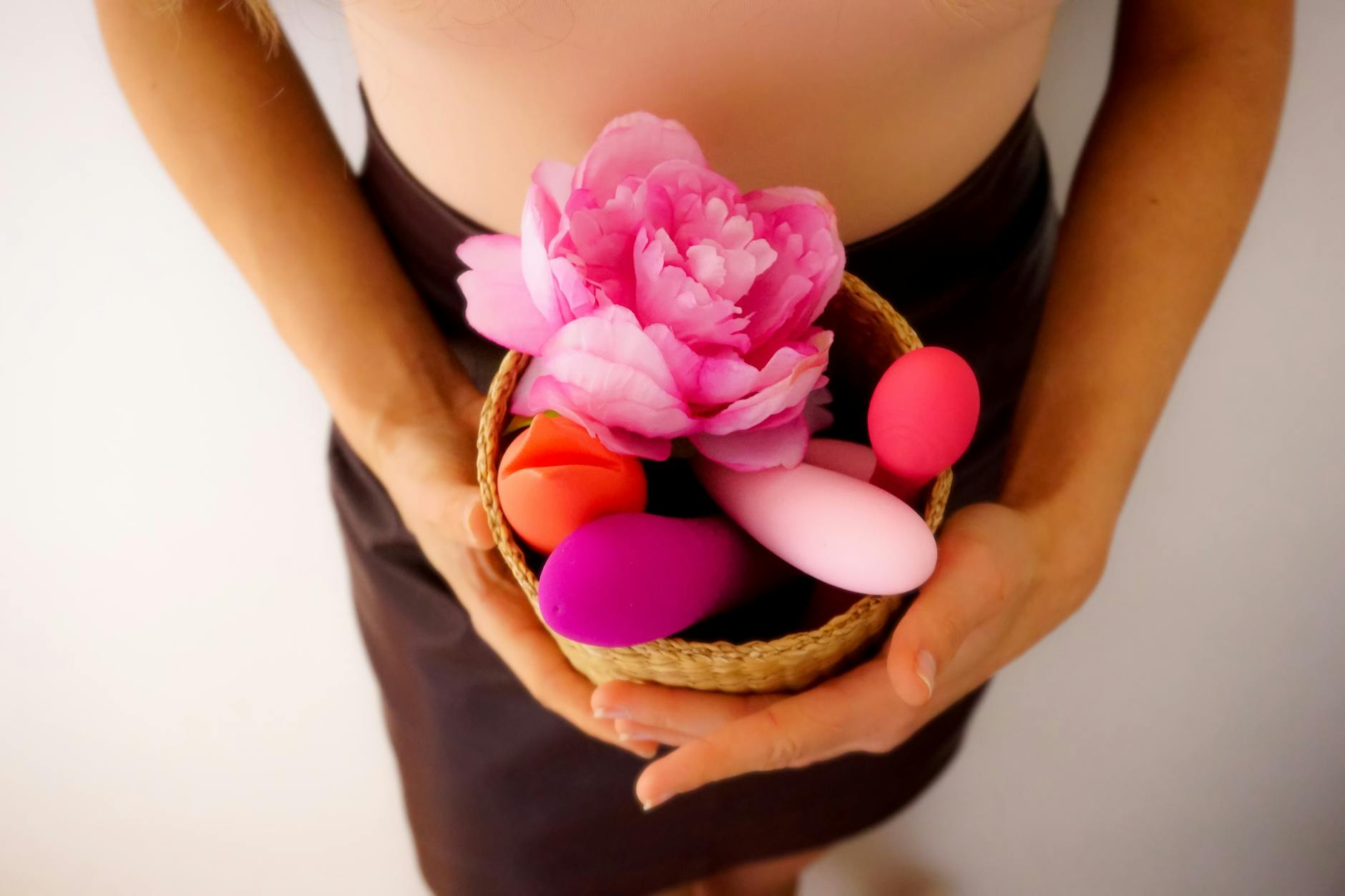
Let's talk about what estrogen actually does to pleasure
Here's the thing nobody explains clearly: estrogen doesn't control whether you can feel good. It controls how quickly your tissues respond, how much natural lubrication your body produces, and how thick and elastic your genital tissue stays. Those are big things. They're not everything.
When estrogen levels drop (whether from perimenopause, menopause, hormonal birth control, or medication), your vulva and vaginal tissue becomes thinner and more delicate. The clitoris itself doesn't shrink or lose nerve endings. Your brain's pleasure circuitry stays intact. But the tissue surrounding those nerves changes texture, and that changes the sensation you feel.
The good news: lemon clitoral vibrators, especially suction-based devices like the Lem, are specifically suited to lower-estrogen bodies because they work with thinner tissue instead of against it.
How lower estrogen changes physical sensation
Three main shifts happen:
Tissue gets thinner. The vulva has less structural support. This isn't damage. It's a normal response to hormone withdrawal. Thinner tissue is more sensitive in some ways and more vulnerable to irritation in others.
Lubrication changes. Your body produces less natural lubricant, and what it does produce is often thinner and less consistent. This matters because friction that felt good before might feel raw now.
Arousal takes longer to build. Blood flow to the genitals happens more slowly without estrogen's vascular support. You might need 15 to 30 minutes of stimulation instead of 5 to 10.
Here's what doesn't change: the density of nerve endings in your clitoris, your brain's capacity to experience pleasure, or your ability to orgasm. Many people report that orgasms become more intense and focused when estrogen drops, because sensation concentrates in fewer, more responsive areas.
Why suction works better than vibration alone for lower-estrogen bodies
Traditional vibrators create pleasure through friction and repetitive stimulation. For thinner tissue, sustained friction can feel uncomfortable or even cause micro-tears. Suction works differently.
A lemon clitoral vibrator like the Lem uses gentle, rhythmic suction to stimulate the clitoris and surrounding tissue. Instead of vibrating against delicate tissue directly, it creates a seal and pulses, which:
Reduces direct friction and irritation on vulnerable areas. The suction cups the tissue rather than grinding against it.
Stimulates a wider nerve network. Suction pulls blood into the clitoral area, which increases sensation and arousal over time. It's less about intensity at the start and more about building depth.
Works better with minimal lubrication. Because suction doesn't rely on sliding motions, you need less slick surface to feel great.
Allows for longer, more comfortable sessions. Many people with lower estrogen find they can use a suction vibrator for 20 to 30 minutes without irritation, whereas traditional vibrators might feel raw after 10.
Practical adjustments for lower-estrogen pleasure
If you're using a lemon clitoral vibrator or any suction toy with lower estrogen, here's what works.
Start with water-based lubricant, every time. Even if you're producing some natural lubrication, adding a thin layer of water-based lube reduces friction and prevents discomfort. Silicone-based lubes feel richer, but they can degrade silicone toys, so stick to water-based. A small amount goes a long way with suction toys.
Warm up longer than you used to. Your blood flow needs time. Spend 10 to 15 minutes on external foreplay, touching other sensitive areas (breasts, inner thighs, neck) before you bring the Lem into play. When you do, start on the lowest setting or gentlest pulse pattern.
Begin on the lowest intensity. The Lem has multiple patterns. Start at pattern 1 or 2, which offer gentle pulsing. You can increase intensity after a few minutes once you're aroused and tissues are engorged. Going straight to pattern 4 or 5 might feel jarring or uncomfortable.
Use shorter bursts initially. Try 5 to 10 minute sessions instead of 20 to 30. Your body will tell you when it's ready for longer sessions. Some people reach this point after a few weeks of regular use, as arousal response improves.
Pay attention to pressure and angle. The Lem's cup needs a light seal to work well. You're not pressing hard. It's more like a gentle cup around the clitoris, creating suction rather than pressure. Experiment with slight angle shifts to find the sweet spot.
Why sensation changes feel different (and often better)
Lower estrogen often means fewer distractions in your body. Hormone cycles stop, PMS symptoms disappear, and the constant low-level tension that comes with cycling hormones vanishes.
Mentally and emotionally, this often creates space for pleasure. If you've spent years managing your body around a partner's rhythm or expectations, lower-estrogen life often coincides with more permission to focus on your own sensation. That mental shift alone transforms the experience.
Many people find their most intense and satisfying orgasms come after estrogen levels drop. Not because the mechanics of orgasm change dramatically, but because the scaffolding around pleasure gets simpler. You're not managing as much physiological noise.
When thinner tissue needs medical attention
If you're experiencing pain during use or sex, don't assume it's permanent or normal. Genitourinary syndrome of menopause, or GSM, is a clinical condition that causes tissue thinning, inflammation, and pain. It's treatable.
A gynaecologist or menopause specialist can prescribe topical estrogen creams that work locally on vulvar and vaginal tissue without significant systemic absorption. Many people see improvement within 2 to 3 weeks. Some use these creams alongside other approaches, like regular lemon clitoral vibrator use, which itself helps increase blood flow and tissue health.
Systemic hormone therapy is another option if you're managing multiple menopause symptoms. Talk to your doctor about what might fit your health picture.
How regular lemon vibrator use affects tissue over time
This is worth knowing: using a lemon clitoral vibrator regularly actually supports tissue health in lower-estrogen bodies. Suction and gentle stimulation increase blood flow to the area, which brings oxygen and nutrients. Over weeks and months, many people report that arousal returns faster, natural lubrication improves slightly, and overall sensation deepens.
You're not forcing anything. You're supporting your body's natural capacity to respond. This is why consistent use often feels better than sporadic use.
Partnered pleasure with estrogen changes
If you're with a partner, the simplest conversation is this: "My body is responding to me differently now, and I want to explore what feels good with that change." A lemon sucker like the Lem can be a tool you use solo to rediscover yourself, or something you incorporate into partnered sex. Either way, it's not replacing anything. It's expanding what works.
Some partners worry that introducing a tool means something's wrong or missing. The facts help: your tissue is different now, and this tool is designed for what your body is right now. That's not a problem to solve. It's information to work with.
FAQ: Lemon vibrators and low estrogen
Can I use a lemon clitoral vibrator if I'm on hormone therapy?
Yes. If you're on systemic HRT (pills, patches, injections), your estrogen levels will be higher than in untreated menopause, and you might find you need less lubrication or shorter warm-up time. If you're using topical estrogen cream locally, use it about 30 minutes before pleasure to allow it to absorb. The sensations you experience might shift as your hormones stabilize, so stay curious and adjust as you go.
How often should I use a lemon vibrator to support tissue health?
Two to three times per week is ideal for most people. Regular use keeps blood flow consistent and supports natural lubrication production over time. Daily use isn't necessary and might lead to overstimulation or soreness if you're starting with very sensitive tissue. Start conservatively and increase frequency as comfort improves.
Will using a lemon vibrator make my arousal response faster over time?
Many people experience this. Regular stimulation trains your nervous system to respond more readily. You might notice that your body gets aroused faster, natural lubrication increases, and tissue sensitivity improves. This isn't guaranteed for everyone, but it's common enough that consistent use is worth trying before jumping to other interventions.
What's the difference between the suction on a Lem and a traditional vibrator if I have lower estrogen?
Traditional vibrators rely on friction and direct pressure, which can feel uncomfortable or irritating on thinner tissue. Suction cups the tissue and pulses gently, reducing friction while stimulating a broader nerve network. For lower-estrogen bodies, this usually feels more comfortable and creates deeper, longer-lasting arousal.
Can I use a lemon vibrator right after menopause if I'm having severe dryness?
Yes, but use plenty of water-based lubricant and start on the lowest settings. If you're experiencing significant pain or severe dryness, it's worth seeing a gynaecologist first to rule out GSM or other conditions that might need topical treatment. Once you have that cleared, a lemon clitoral vibrator can become part of your pleasure routine.
Does lemon vibrator suction feel different as I adjust to lower estrogen over months?
Often, yes. Your first sessions might feel strange or require more focus. After a few weeks, as your body adjusts to the sensation and you get more comfortable with the rhythm, pleasure typically deepens. Tissue response improves with regular stimulation, so the third month often feels notably different from the first.
The long view
Lower estrogen is a real physiological shift, and it deserves real solutions. Generic advice like "just relax" or "it's all in your head" misses what's actually happening in your body. Lemon clitoral vibrators, especially suction-based models, are engineered for the specific needs of lower-estrogen tissue.
Your pleasure doesn't end when estrogen drops. It evolves. And with the right tools and adjustments, it often gets better.
If you're navigating this transition and want personalized guidance, reach out. I'm here to help you figure out what works for your body right now.