Here's what actually changes after 35
Let's be real: your body at 40 is not your body at 25. Estrogen levels begin a gradual decline around 35, which affects tissue thickness, natural lubrication, and how quickly arousal builds. Clitoral sensitivity doesn't disappear. It redistributes. The same touch that felt electric at 30 might feel too sharp at 40. The spot that never did much for you suddenly becomes your main event.
This is not a problem. It's information. And it's exactly why lemon vibrators work so well during this decade and beyond.
Why suction works better than straight vibration after 35
Traditional vibrators rely on rapid movement back and forth. That friction works beautifully when tissue is thick and arousal builds fast. But after 35, the clitoris benefits from stimulation that's gentler on the surface while still reaching the nerves underneath. Suction-based devices like Hello Nancy's lemon clitoral vibrator use air pulse technology instead of mechanical vibration, which means no direct friction.
Instead of pressure, you get rhythm. Instead of buzz, you get sensation that builds gradually and reaches deeper into the clitoral structure. The result? More consistent orgasms, less sensitivity fatigue, and the ability to come back for round two without needing a 30-minute break.
I work with clients in their late 30s and 40s constantly, and the shift from traditional vibration to suction-based stimulation is often the turning point in their pleasure life.
The warm-up window expands (and that's actually good)
One thing nobody tells you about pleasure after 35: arousal taking longer is not a problem to solve. It's an opportunity to rebuild how you approach sex entirely.
When you're 25 and touching your partner is enough, speed feels like the default. By 40, you need 10 to 15 minutes of genuine foreplay before using any toy. This sounds like friction, but it's actually the opposite. You're not waiting. You're priming.
Here's the protocol I recommend: Start with a lemon vibrator on its lowest setting (usually 1 to 3 on the dial) before you're fully aroused. Use it for 3 to 5 minutes with zero pressure to perform. Let your body respond on its own timeline. Then, once you feel blood flow and sensation building, move to a slightly higher setting. Most people find that they reach orgasm faster and more intensely when they've let the buildup happen gradually, rather than jumping straight to intensity.
Positioning shifts
After 35, the angle of clitoral access changes subtly as tissue thins and shifts slightly. What worked perfectly in your 20s may now feel slightly uncomfortable or numb at the same angle.
Start by experimenting with a small pillow or folded towel under your hips when solo. This slight elevation changes the angle of approach and often makes the difference between "meh" and "wow." When using a lemon suction vibrator, the compact design means you have more control over angle than you would with a larger wand. You can tilt, press, or hold it steady with far more precision.
With a partner, the same principle applies. If penetrative sex was your primary setup before, consider shifting to external focus using a lemon clitoral vibrator. This removes the pressure on you to achieve orgasm through one specific type of friction and opens up the possibility of combining suction-based stimulation with your partner's attention to other parts of your body.
The arousal landscape changes
Before 35, arousal often followed a predictable arc: desire appears, body responds, orgasm happens, repeat. After 35, it's messier and actually more flexible.
Stress affects arousal more directly. Your cycle affects it more noticeably. Your relationship climate, work pressure, and sleep quality all become variables you have to account for. Instead of fighting this, the smart move is to design your pleasure practice around it.
On days when arousal feels slow or muted, a lemon vibrator set to suction mode 1 or 2 is your friend. You don't need intensity. You need consistency and patience. The device does the heavy lifting while your nervous system has time to catch up. Many clients report that once the suction rhythm is going, arousal follows naturally within 5 to 10 minutes.

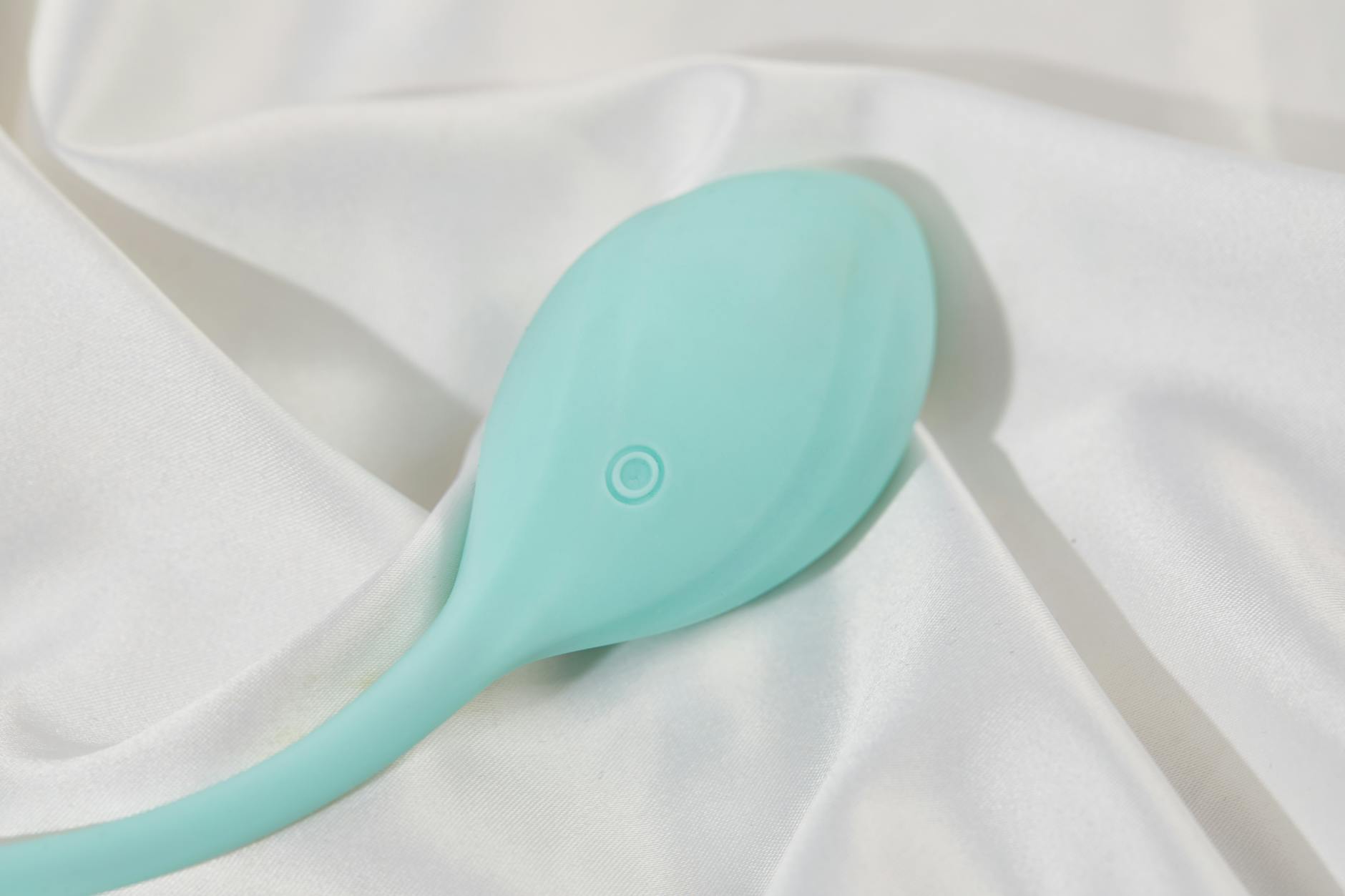
Photo by Olga Lioncat on Pexels
Combination play becomes more rewarding
Here's something many people discover in their late 30s: solo pleasure gets better when you add a second point of contact.
A lemon clitoral vibrator on your vulva plus your hand on your breast, your inner thigh, or your lower belly creates a symphony of sensation that straight vibration alone often doesn't. The suction rhythm stays steady while you vary pressure elsewhere, which gives your brain more to focus on and often leads to fuller, longer orgasms.
With a partner, this becomes even more interesting. Your partner can use a lemon vibrator on you while also using their hands, mouth, or body in other ways. The beauty of suction toys is that they require minimal attention once positioned. Your partner can hold it steady while staying engaged with you emotionally and physically.
Lubrication matters more now
After 35, natural lubrication shifts. Some people produce more, some produce less, and most experience more variability depending on stress, cycle phase, and medication. Water-based lubricant is your ally here.
Apply it generously before you start, and reapply every 5 to 10 minutes if needed. This isn't a sign of anything wrong. It's just how the body works after a certain point. The lube makes the suction sensation even more responsive and prevents any tissue irritation from prolonged use.
Skip silicone-based lubes if you're using a silicone lemon vibrator, since silicone lube can degrade the toy's material over time. Water-based is cleaner, safer, and works brilliantly with suction-based devices.
Recovery time is real now
At 25, you could come, rest for two minutes, and go again. At 40, your nervous system needs more time to resettle before the next wave of stimulation feels good.
Instead of seeing this as a problem, design your sessions around it. Use a lemon vibrator, come, then switch to a different type of stimulation (your hands, your partner's touch, or nothing at all) for 10 to 15 minutes. Let your clitoris rest. Then go again if you want. This isn't less pleasure. It's actually more. You're teaching your body to have multiple distinct peaks instead of chasing one continuous hill.
When to adjust intensity
The learning curve for lemon vibrators is quick, but pacing matters. Start at setting 1 for your first three to five sessions. Yes, really. Let your body learn what suction feels like and where the sensitivity lives. After a week, try setting 2. After two weeks, you can explore settings 3 to 5.
Many people over 35 find their sweet spot at setting 2 or 3 and never go higher. This is perfect. You're not "not going hard enough." You're finding the intensity that produces the best sensation for your nervous system right now.
FAQ
Does suction feel better than vibration after you turn 35?
Not universally, but often. Suction reaches deeper nerve layers without direct friction, which many people find more pleasurable as tissue changes. The best approach is to try a lemon clitoral vibrator to see how your body responds, since everyone's sensitivity map is unique.
How long does it take to orgasm with a lemon vibrator after 35?
This varies wildly. Some people orgasm in 3 to 5 minutes, especially if they're already aroused. Others need 15 to 20 minutes. The goal isn't speed. It's presence. If you're focused on how fast you can finish, you'll miss the actual sensation.
Can you use a lemon vibrator if you're on antidepressants that affect sensation?
Yes. In fact, suction-based devices are often better for this situation than traditional vibrators because they engage deeper nerve pathways and create more sustained sensation. You may need to start lower and build up more gradually, but they work well for many people managing sexual side effects from medication.
Does arousal really take that much longer after 35?
Not always, but yes, it often does. Hormones shift, stress lands differently in your body, and your nervous system needs more time to transition into sexual mode. This is normal and manageable. Working with a lemon vibrator on a lower setting while your arousal builds is a way to meet your body where it is, not fight it.
Should you use lubricant with a lemon suction vibrator?
Absolutely. Water-based lube makes suction sensation more responsive and prevents tissue irritation. Apply before you start and reapply every 5 to 10 minutes. This is not optional after 35. It's practical self-care.
What if you've never used a lemon vibrator before and you're over 35?
Start with the lowest setting and give yourself permission to spend 20 to 30 minutes on your first try. Don't expect to come. Just expect to learn. Your body has to understand a new sensation before it can respond to it. The pleasure comes on the second or third session once your nervous system recognizes what's happening.
The bottom line
Your body after 35 is not broken. It's different. Suction-based lemon vibrators aren't a workaround for aging. They're actually better adapted to how your body works right now than they would have been at 25. Pleasure gets richer when you work with your physiology instead of against it.
Start slow, use plenty of lubricant, and give yourself permission to explore. If you're curious about how a lemon vibrator might work for you, reaching out to Hello Nancy directly through our contact page is a great first step. We're here to help you find what works.