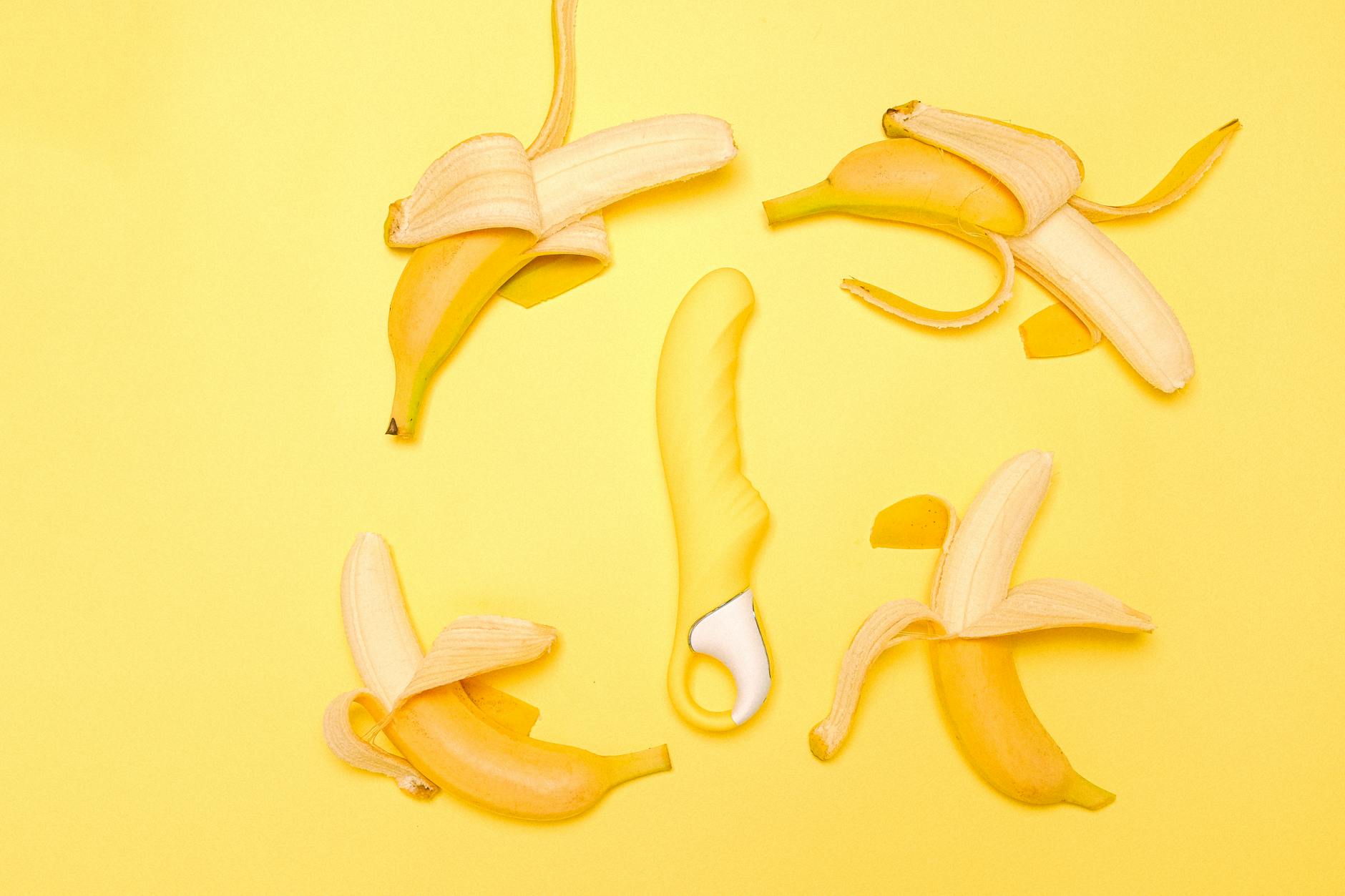
Let's talk about the silence around this
Hysterectomy is one of the most common surgeries in the world, yet almost no one warns you about what happens to pleasure afterwards. You get discharge instructions about lifting and driving. Nobody mentions sex. And if they do, it's usually "wait six weeks, then you're fine." Which is, frankly, incomplete.
Here's what I've seen with hundreds of clients navigating post-hysterectomy recovery: pleasure changes. It doesn't disappear. But the path back to it requires understanding what actually shifted in your body, not just guessing and hoping.
What actually happens during hysterectomy
Hysterectomy removes the uterus. Depending on the type (total, subtotal, radical), it may also remove the cervix and surrounding tissue. What stays: your clitoris, your vulva, your vaginal canal, the nerve pathways that create sensation, and your brain's capacity for pleasure.
What changes is more subtle. The vaginal canal loses some of the structural support the uterus provided. Scar tissue forms internally, which can create tightness or reduced flexibility for the first few months. Hormonal shifts happen (especially if ovaries are removed), which affects lubrication and tissue thickness. The pelvic floor often tightens in response to surgery, holding tension as a protective reflex.
None of this prevents orgasm. None of it prevents pleasure. But all of it changes the experience temporarily.
The timeline: when sensation actually returns
Week one through four: You're bleeding, you're in pain, and your body is in shock. Skip this entirely. Rest.
Week five and six: The clearance window. Most surgeons say you can resume penetrative sex after six weeks. What they often mean is you can, not that you should or that it will feel good. Your scar tissue is still forming. Your pelvic floor is still guarding. Penetration often feels uncomfortable or creates a sensation of tightness.
Week seven through twelve: This is where sensation starts to shift. Scar tissue is still present, but your nervous system is calming down. Light clitoral stimulation often feels better than deeper penetration. This is the window where many of my clients introduce lemon clitoral vibrators.
Month four onwards: Your body is genuinely healing. Sensation continues to normalize. Some people report that their clitoral sensation is even more vivid than before surgery, likely because they're paying closer attention to what actually feels good instead of defaulting to old patterns.
Why lemon vibrators work so well in recovery
Three reasons lemon clitoral vibrators are often the ideal tool during post-hysterectomy recovery.
First, they require zero penetration. After surgery, your vaginal canal is healing. Even if scar tissue isn't causing pain, the psychological weight of "will penetration hurt again?" can block arousal completely. Lemon sucker technology focuses entirely on external stimulation, removing that variable entirely.
Second, the lemon vibrator's suction pattern (as opposed to traditional vibration) actually helps calm the pelvic floor. When scar tissue creates protective tension, hard vibration can intensify that clenching. Suction feels different to the nervous system. It's less aggressive, more rhythmic, and many people report that it helps their pelvic floor relax rather than tighten.
Third, lemon adult toys are designed for sensitive tissue. Post-surgery tissue is genuinely sensitive in the best and worst ways. The sensation threshold is lower, which means you might orgasm faster or more intensely than before. But that same sensitivity means harsh or intense stimulation can feel overwhelming. The gentle, focused design of a lemon clitoral vibrator matches that sensitivity.
Getting the timing right
Don't introduce any vibrator (lemon or otherwise) until you've had clearance from your surgeon. That's not negotiable. Most surgeons clear you at six weeks, but some recommend eight or twelve depending on the type of hysterectomy.
Once cleared, ease in slowly. Your first session shouldn't be about orgasm. It should be about relearning what sensation feels like in your body.
Start with your lemon sexual toy on the lowest setting. Use it externally only, over the vulva, never inside. Spend time just noticing where it feels good. Many people find that the sensation map of their clitoris has shifted slightly. A spot that used to feel intense now feels mild, or vice versa. That's normal and temporary.
If there's any pain, stop immediately. Pain means something is still healing. Discomfort is fine. Pain is information.
The mental part (which matters more)
Physical recovery is one thing. Emotional recovery from major surgery is another. Many people report that post-hysterectomy pleasure is blocked not by physical sensation but by anxiety.
"Will it hurt?" "Will I feel the same?" "Have I lost part of myself?" These thoughts loop, and they kill arousal faster than any physical change can.
If you're struggling with this, it's worth naming it explicitly. You're not broken. You're grieving a body part and adjusting to a new normal simultaneously. That's a lot. If your partner is involved, separate conversations help. "My body is healing physically" is different than "I need us to rebuild intimacy together." One is a timeline. The other is an emotional process that takes longer.
When to get professional support
If penetration is still painful after twelve weeks, see a pelvic floor physical therapist. Pelvic floor tension after hysterectomy is common and treatable. A few sessions of specialized PT often unlocks sensation that felt blocked by muscle guarding.
If you've had radical hysterectomy with ovary removal and your lubrication or arousal hasn't returned, ask your doctor about vaginal estrogen or hormone therapy. These aren't just for comfort during sex. They're part of healing.
If you're feeling depressed, disconnected from your body, or grieving the loss of your uterus, a therapist who specializes in medical trauma can help. Surgery changes identity. That deserves space to process.
Getting back to pleasure
Lemon clitoral vibrators, patience, and the willingness to explore your body as it is now (not as it was) are the practical tools. But the permission to prioritize pleasure as part of recovery is the real thing.
Your surgeon fixed something that was causing pain or danger. Now your job is to prove that your body is still capable of joy. That's not frivolous. That's medicine.