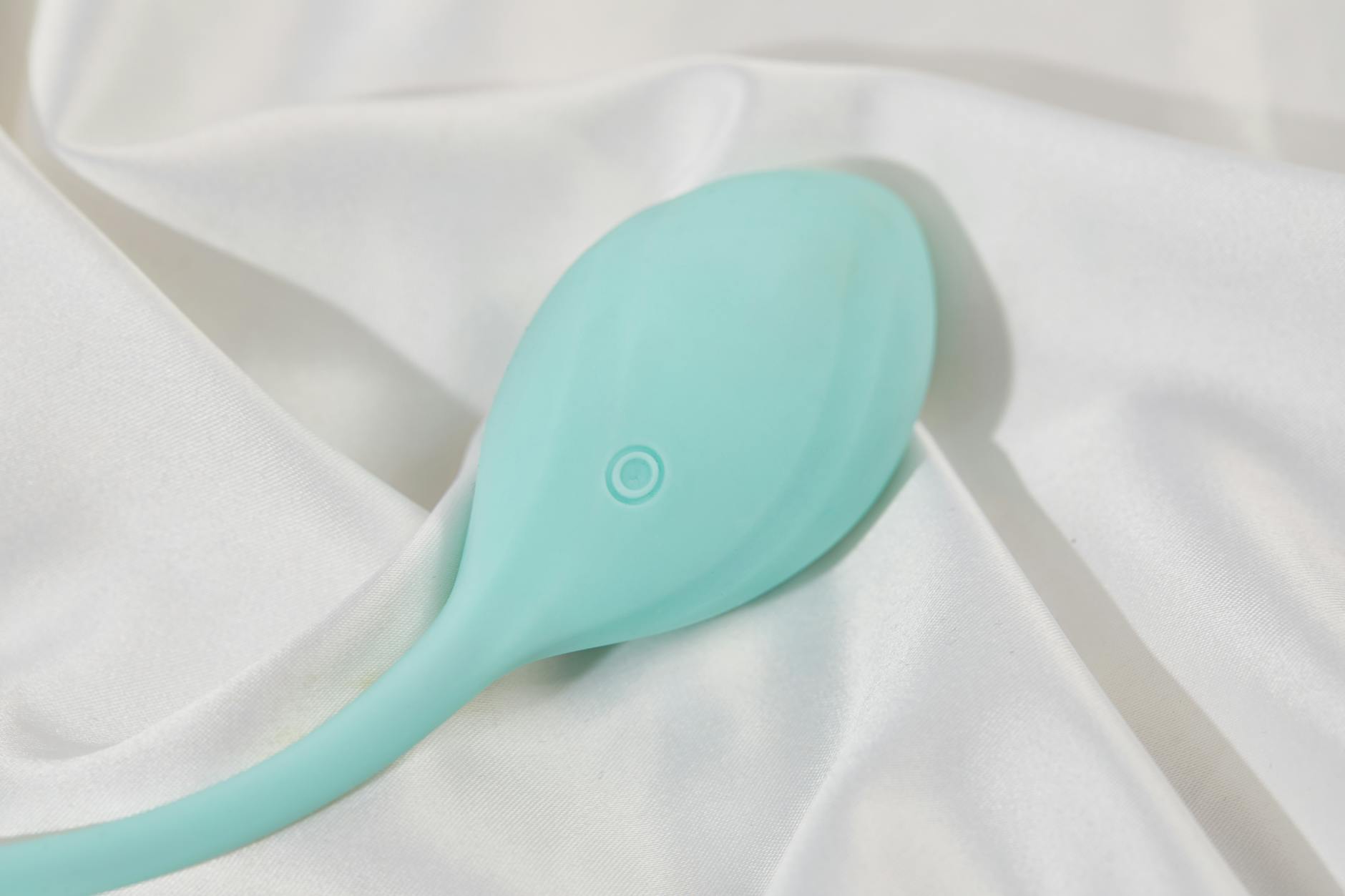
Let's talk about pleasure as medicine
We're taught to keep sex and stress relief in separate boxes. They're not. Clitoral stimulation is one of the fastest ways to activate your parasympathetic nervous system. the relaxation response that brings heart rate down, breathing steadies, and cortisol stops flooding your bloodstream. A lemon vibrator isn't just for orgasms. It's a nervous system reset button.
I work with couples navigating midlife transitions. Anxiety is the third person in most relationships I see. People are stressed from work, caregiving, financial pressure, identity shifts. They're dissociated from their bodies. They've forgotten what safety feels like. And then they wonder why desire disappeared. But here's what I've observed: when someone rediscovers pleasure on their own terms, using a tool like a lemon clitoral vibrator, that reconnection to sensation often heals the broader anxiety pattern too.
How your nervous system actually responds
When you use a lemon vibrator, several things happen in sequence. The suction and vibration trigger sensory receptors in your vulva that send signals directly to your brain's pleasure centers. This isn't metaphorical. The vagus nerve activates. Your parasympathetic nervous system (the "rest and digest" system) shifts into dominance. Blood pressure drops. Breathing becomes deeper. Muscle tension releases.
Most anxiety lives in the body as bracing. You hold tension in your shoulders, jaw, pelvic floor. You can't think your way out of that. But pleasure breaks the pattern because it requires the opposite. It requires release, presence, and permission to feel good. A lemon vibrator provides the consistent, targeted stimulation that makes this shift possible. Unlike partner sex, which can carry its own social pressure, solo pleasure with a vibrator is entirely on your timeline.
The stress-response paradox
Here's something counterintuitive: if you're in acute stress mode, your body may not feel pleasure easily. Cortisol (your stress hormone) is high. Your nervous system is in fight-or-flight. You may feel numb or disconnected from sensation. This is where patience matters. You're not trying to force an orgasm. You're retraining your nervous system to recognize safety.
Start slow. Use your lemon vibrator at low settings. Notice sensation without expectation. The goal is sensation, not outcome. I tell clients: five minutes of actual presence with a vibrator beats thirty minutes of checking the clock waiting for an orgasm.
Building a nervous system reset ritual
Turning vibrator use into ritual makes it more effective for anxiety. Not because ritual is magical, but because consistency trains your brain. Your body learns: when I do X, my nervous system gets to downregulate.
Pick a time that works. Some people prefer morning. Others find that evening use, an hour or two before bed, helps them sleep. Create a small container for the ritual. Light a candle. Dim the lights. Take three deep breaths before you start. Use your lemon vibrator at a comfortable setting. You're aiming for 10-15 minutes of presence, not necessarily for orgasm, though that may happen.
The suction sensation of a lemon vibrator is particularly effective here because it's different from the buzz-and-go feeling of traditional vibrators. The ebb and flow of suction creates a rhythm that mirrors breathing. Your nervous system syncs with it naturally.
When vibrator use becomes grounding
Grounding is a therapeutic technique for anxiety. You anchor awareness in the present moment using your five senses. A lemon vibrator is a grounding tool. You're focusing on sensation. You're noticing texture, temperature, rhythm. You're present in your body instead of spiraling in your head.
Many clients report that using a clitoral vibrator like the Lem actually quiets racing thoughts better than meditation does. Meditation asks your brain to quiet down. But pleasure gives it something better to focus on. The brain stops running the anxiety loop because it's too busy processing pleasure.
This is why it works for people with generalized anxiety, hypervigilance, or post-trauma tension. It's not about escapism. It's about nervous system recalibration.
Deepening the practice over time
After a few weeks of consistent use, your nervous system starts anticipating the downregulation. Just picking up your vibrator can begin the shift. Your body remembers safety. You may notice that you relax faster. You may sleep better. Anxiety background noise may quieter.
Some people move into exploring different patterns and intensities. Some prefer the same ritual every time. Both are valid. The nervous system responds to whatever feels safe and consistent to you.
If you're working through anxiety with a partner, solo vibrator use is not a replacement for that conversation. But it's foundational. When you're less dysregulated, you have more emotional bandwidth for connection. Many couples I work with find that once the anxious partner rediscovers solo pleasure, partnership intimacy improves too.
The science of pleasure and mental health
This isn't pseudoscience. Orgasm releases oxytocin and dopamine. These aren't just feel-good chemicals. Oxytocin reduces cortisol. Dopamine builds motivation and mood. Regular pleasure activates the same neural pathways that antidepressants target, just through a different mechanism. I'm not saying a lemon vibrator replaces therapy or medication. But it's a tool that works with them, not against them.
One more thing: if you're on medication for anxiety, vibrator use might feel different than it did before medication. Some medications flatten sensation. That's a conversation to have with your prescriber. But often, adding embodied pleasure practice (solo vibrator use, intentional touch) actually enhances medication benefits because you're engaging the nervous system from multiple angles.
FAQ: Your anxiety and vibrator questions answered
Is it normal to not feel pleasure when I'm anxious?
Completely. Anxiety contracts your nervous system. Pleasure requires expansion. When you're in fight-or-flight, your body isn't primed for sensation. Start with five minutes. Focus on noticing sensation without outcome. The pleasure builds as your body learns safety.
Can I use a lemon vibrator every day for anxiety?
Yes. Daily use is safe and often more effective than sporadic use. Consistency trains your nervous system. Some people use their vibrator as part of a morning or evening routine, the same way they'd take a walk or meditate. Your body adapts and responds better the more predictable the practice is.
What if I can't orgasm even with a vibrator?
That's fine. The nervous system reset happens whether or not you reach orgasm. Pleasure and orgasm aren't the same thing. Some days you might experience waves of release. Other days just sensation and relaxation. Both count. The goal is presence, not performance.
Does using a vibrator make anxiety medication less effective?
No. Pleasure activates different neural pathways than medication does. They complement each other. In fact, many therapists recommend adding embodied practices (like solo vibrator use) alongside medication because they target the nervous system from multiple angles.
How long before I notice anxiety reduction?
Some people feel a shift after a single session. For others it takes two to three weeks of consistent use. Your nervous system is deeply patterned. Patience matters. But most people notice improved sleep and reduced physical tension within a week.
Can I use a clitoral vibrator if I'm already taking anti-anxiety medication?
Absolutely. Vibrator use works alongside medication, not against it. In fact, combining somatic practices (like vibrator use) with medical treatment is evidence-based. Talk to your doctor if you're concerned, but most healthcare providers support this.
Your nervous system learned to stay wound tight. It can learn to relax. A lemon vibrator is a tool that teaches your body what safety feels like. Pleasure isn't a luxury. It's a biological necessity. You deserve to feel good in your body, especially when anxiety is trying to convince you that you don't.
Ready to explore how pleasure can work as a grounding practice? Start with a simple ritual. Pick a time. Set five minutes aside. Notice what your body tells you. The rest will follow.