Here's what pelvic floor dysfunction actually does to your sex life
Let's be real. When your pelvic floor tightens up, pleasure doesn't just fade. It vanishes. The muscles that are supposed to release during arousal do the opposite. Your body clamps down. Orgasms feel distant or impossible. Touch that used to feel good now feels like pressure you're bracing against.
This isn't about being broken. It's about tension blocking sensation.
Why tension makes pleasure disappear
Your pelvic floor is a hammock of muscle that supports your bladder, uterus, and rectum. It's also wrapped in nerve endings that fire during arousal and orgasm. When these muscles stay chronically tight, they choke off blood flow and neural signaling. Your clitoris gets less sensation. Orgasms feel shallow or don't happen at all.
The worst part: the more you focus on the problem, the tighter you grip. It becomes a feedback loop. Anxiety about sensation makes you tense. Tension makes sensation worse. You avoid pleasure altogether because it feels like failure.
Most people with pelvic floor dysfunction are told to do Kegels. This is often backward advice. You don't need more squeezing. You need to learn how to relax.
How clitoral vibrators break the tension cycle
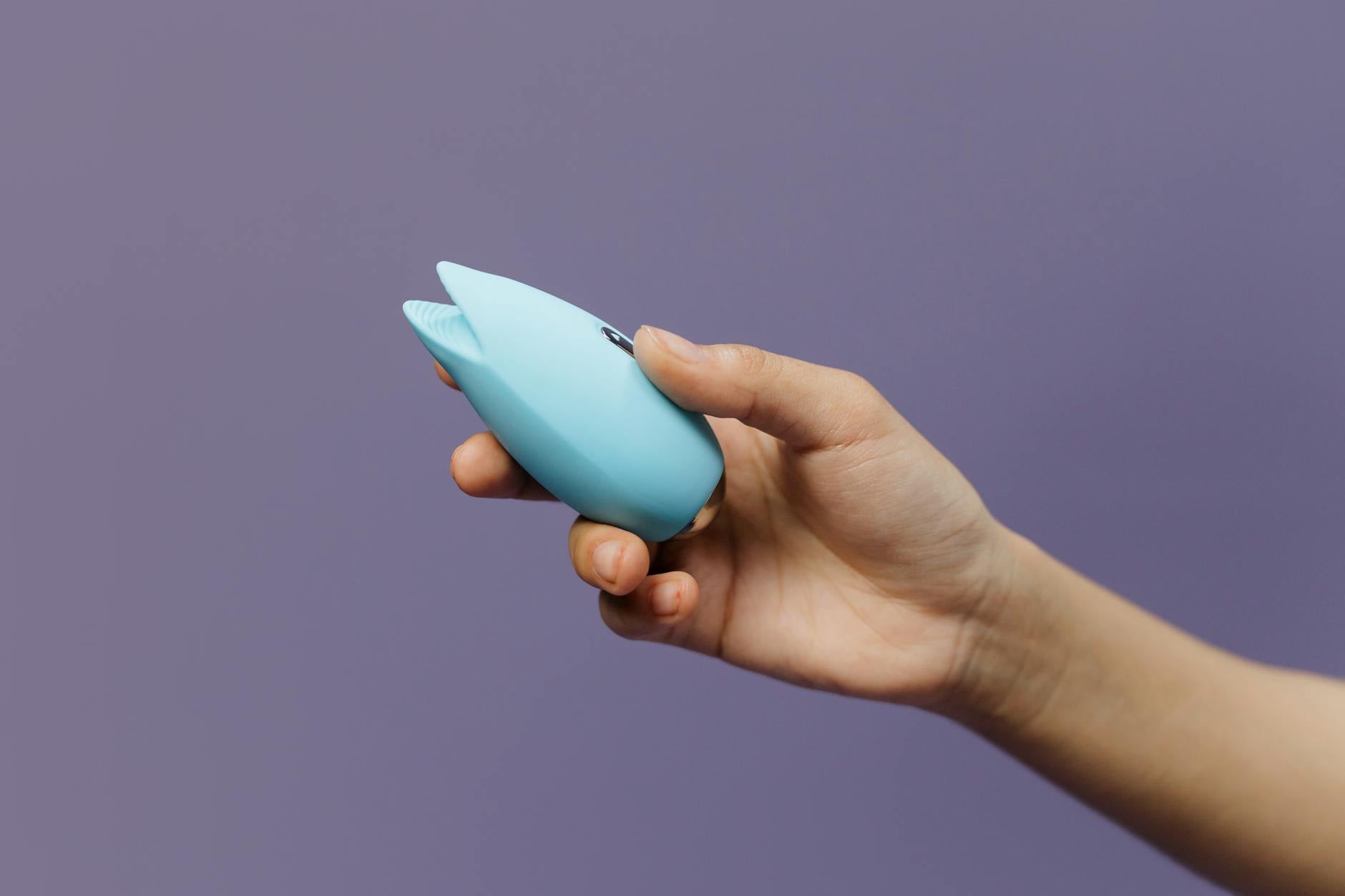
This is where lemon vibrators and other clitoral suction toys shift the game. Here's why they work differently than other vibrators.
Traditional vibrators rely on high-frequency oscillation. Your pelvic floor muscles have to participate in the stimulation. If those muscles are already tight and guarded, they work against you. You end up gripping harder, and pleasure stays blocked.
Lemon vibrators use a different mechanism: gentle suction and pulsing rhythms that work with relaxation, not against it. The suction draws tissue gently upward, which triggers a natural reflexive relaxation response. Your nervous system reads this as safe. Your pelvic floor begins to release.
When the muscles finally relax, blood flows back in. Nerve endings wake up. Sensation returns.
The nervous system reset you actually need
Pelvic floor dysfunction lives in your nervous system as much as in your muscles. Your body has learned that tightening keeps you safe. During sex, that pattern activates automatically. You don't even realize it's happening until you notice pleasure is gone.
Lemon vibrators help rewire this. The consistent, gentle stimulation teaches your nervous system that arousal doesn't require bracing. Pleasure can happen while you're relaxed. This sounds simple. It's revolutionary once your body believes it.
Start at the lowest setting. If you're using a clitoral vibrator like the Lem, begin with the gentlest pattern and rhythm. Your pelvic floor needs time to recognize that stimulation doesn't mean "time to grip." Many people find that after 10-15 sessions of this gentle work, their capacity for sensation shifts noticeably.
What to do before, during, and after
Prepare your nervous system first. Spend 5-10 minutes on breathing or gentle movement before you use a lemon vibrator. Deep belly breathing tells your parasympathetic nervous system that safety is available. Your pelvic floor listens.
During stimulation, check in with yourself every 2-3 minutes. Are your shoulders tense? Is your jaw clenched? These are downstream signs that your pelvic floor is gripping. Soften. Breathe. Let the vibrator do the work instead of fighting it.
After, resist the urge to assess how it went or compare it to pleasure you remember from before. That's your anxious brain looking for proof of recovery. Recovery isn't linear. Some sessions will feel more pleasurable than others. The goal is nervous system retraining, not immediate ecstasy.
When to pair vibrators with pelvic floor physical therapy
If your dysfunction came from childbirth, prolonged sitting, high-impact exercise, or trauma, you likely need more than self-exploration. A pelvic floor physical therapist can identify which specific muscles are overactive and teach you targeted release techniques. They often recommend complementing that work with gentle vibration at home.
The combination is powerful: PT teaches your conscious mind how to relax. Vibrators teach your nervous system that relaxation during arousal is safe. Together, they rewire faster than either alone.
Look for a PT who specializes in dysfunction, not just strengthening. Many still default to Kegels, which won't help you. You need someone trained in relaxation techniques.
The role of patience and permission
Recovering pleasure after pelvic floor dysfunction takes time. Your body isn't just healing muscle. It's rebuilding trust in its own signals. This requires permission to move slowly, to feel frustrated, and to celebrate tiny wins like "that felt less numb today."
Many people I work with report that they're afraid to try again after months of numb sensation. The fear itself tightens the pelvic floor. Breaking that cycle means starting small. A lemon vibrator, five minutes on the gentlest setting, with zero pressure to achieve anything. Just sensation returning. That's enough.
Your partner, if you have one, can be part of this. But this phase is often best explored alone. You need to rebuild your own nervous system's trust in pleasure before you layer in the complexity of another person's expectations.
Why sensation recovery takes longer than muscle recovery
Muscles adapt quickly to new patterns. Your nervous system is slower. Nerve endings that have been quiet for months don't fire on demand. They wake up gradually, then fiercely. Some people find that a few weeks in, sensation suddenly floods back. Others see steady, gentle improvement over months.
Both are normal. The timeline depends on how long you've had dysfunction, whether trauma is involved, and how consistently you're doing the nervous system work. Consistency beats intensity. Using a lemon vibrator twice a week for three months beats using it frantically for two weeks and then stopping.
The emotional piece (it's bigger than you think)
Pelvic floor dysfunction often arrives packaged with shame. You believe your body has stopped working. You avoid partners or avoid being touched. You wonder if pleasure will ever come back. This emotional weight lives in your pelvic floor as tension, which makes everything worse.
Rewiring this means separating the facts from the fear. Fact: your pelvic floor is tight. Fact: tension blocks sensation. Fact: this is treatable. Fear: I'm broken. Fear: pleasure is gone forever. Fear: my partner will leave.
Lemon vibrators can't touch the fear directly. But they can provide evidence that sensation is returning. That your body is capable of response. That pleasure is still in there, just waiting for your nervous system to relax enough to find it.
What comes after recovery
Once sensation returns and your pelvic floor learns how to release, pleasure doesn't go back to exactly what it was before. It's often better. You've relearned how to be relaxed and aroused at the same time. That's a skill most people never develop intentionally.
Many people find that using clitoral vibrators becomes a core part of their pleasure practice long after dysfunction resolves. You've learned something valuable: gentle, consistent stimulation that honors your nervous system's pace works better than forcing sensation. That's worth keeping.
People also ask
Can pelvic floor dysfunction prevent orgasms entirely?
Yes, it absolutely can. When the pelvic floor stays clenched, the muscle contractions that create orgasm can't happen. But "can't have orgasms yet" is different from "can never have orgasms." With pelvic floor relaxation work and the right stimulation, orgasms almost always return. It typically takes weeks to a few months of consistent nervous system retraining.
Is it normal for pleasure to feel numb after pelvic floor dysfunction?
Completely normal. Chronic tension reduces blood flow and nerve firing. Numb sensation is actually a sign your nervous system has downregulated to protect itself. It's not permanent. As tension releases, sensation gradually returns. Many people describe it as a light switch slowly brightening over time, not flipping on all at once.
Should I use a vibrator if my pelvic floor is very tight right now?
Start gentle and low-frequency. A lemon clitoral vibrator on the softest setting is often ideal because suction-based stimulation activates relaxation rather than gripping. But check with your pelvic floor PT first, especially if you're in acute pain. In some cases, you might need a few weeks of manual release work before introducing vibration.
Can lemon vibrators help if I've had pelvic floor surgery?
Depending on the surgery type and your recovery timeline, yes. Many surgeons recommend waiting 6-8 weeks before any sexual activity. After that clearance, gentle clitoral stimulation can help rebuild sensation and nervous system confidence. Start only after getting your surgeon's green light, and consider checking with your PT to make sure the timing is right.
How often should I use a lemon vibrator while recovering from pelvic floor dysfunction?
Consistency beats frequency. Two to three 10-15 minute sessions per week is often more effective than daily use. Your nervous system needs time to integrate the relaxation signal between sessions. Overuse can backfire by creating a new kind of tension or by desensitizing you. Quality and calm matter more than quantity.
What if I use a vibrator and feel more tension, not less?
This happens. If you're approaching it with pressure to "succeed" at pleasure, your nervous system tightens up. Take a break. Return to breathing and gentle movement. Some people find that using a vibrator after pelvic floor PT, not before, works better because they've already begun releasing tension. Listen to your body's pace, not the clock.
The path forward
Pelvic floor dysfunction is treatable. Sensation can return. Pleasure can be rebuilt. But it requires patience, nervous system work, and often professional help. Lemon vibrators and clitoral vibrators are powerful tools in that rebuilding process because they work with relaxation, not against it.
Start small. Stay consistent. Trust that your body is capable of recovery. If you're unsure where to begin, reach out to discuss your specific situation. You don't have to figure this out alone.