Let's talk about the thing nobody warns you about
At some point, you notice it. Your body used to bounce back. Now recovery takes what feels like forever. You'd like to have another orgasm. Your partner might want to keep going. But your nervous system has other ideas. The refractory period. It's real, it's biological, and it gets longer as you age.
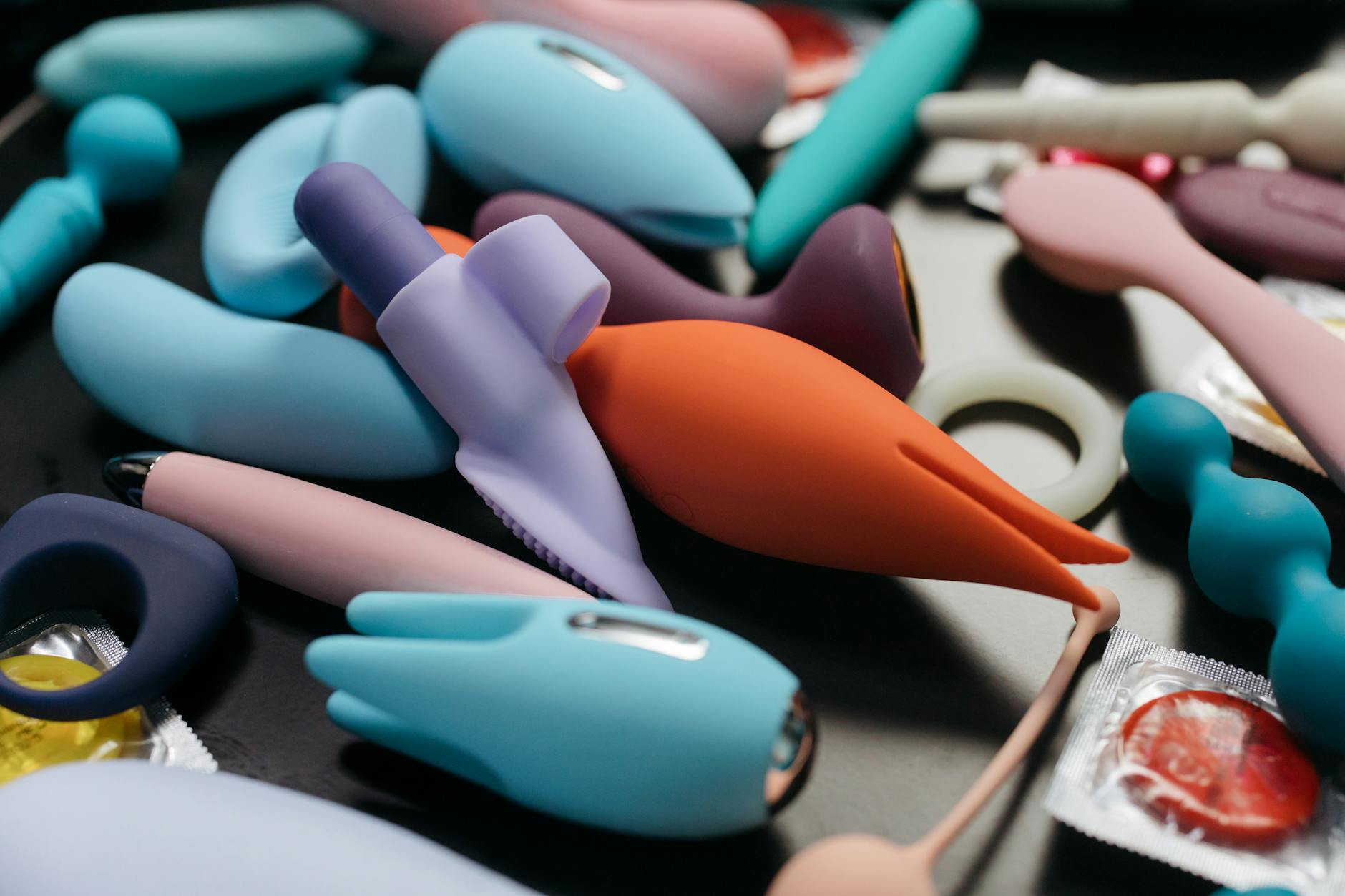
Here's the honest part: this doesn't mean you're broken. But it also doesn't mean you have to accept it as fixed. Lemon Vibrators and other clitoral vibrators work specifically because they bypass the recovery window entirely.
What refractory period actually is (and why it gets longer)
A refractory period is the time between one orgasm and your body's readiness for another. In your twenties, this might be five to fifteen minutes. By your forties and beyond, twenty to sixty minutes is normal. Some people stretch to several hours.
Why? Three things shift:
Hormonal changes. Testosterone and estrogen production decline, which affects how quickly your nervous system resets after an orgasm. The parasympathetic nervous system (your rest-and-recovery system) activates more strongly and takes longer to dial down.
Vascular changes. Blood flow to the genital area becomes less efficient. Your tissues take longer to re-engage after orgasm because the arterial response isn't as quick or as sustained.
Neural fatigue. The neural pathways that fire during orgasm literally need more time to recharge. This isn't weakness. It's just how the system updates with age.
All of this is completely normal. It's also completely workable with the right approach.
Why Lemon Vibrators skip the refractory period problem
Here's the thing about air-suction technology like the Lemon Vibrator: it builds pleasure through a completely different neural pathway than traditional vibration.
A standard vibrator creates pleasure through friction and surface stimulation. That pathway relies on the same nervous system that just fired during your first orgasm. It needs recovery time.
Air-suction clitoral vibrators like lemon sexual toys create stimulation through gentle suction and pulsing air. This engages deeper nerve clusters and creates a building sensation that feels distinct from what came before. Your body doesn't register it as "going again" on the same system. It registers it as a different kind of pleasure entirely.
Inside the clitoral body, there are roughly eight thousand nerve endings. A Lemon Vibrator reaches different clusters with each pattern change. Your nervous system doesn't need a break between sensations because the sensations themselves are hitting different targets.
So even if you just had an orgasm five minutes ago and your refractory period says you shouldn't be ready, a Lemon Vibrator can often get you there again. The science here isn't mysterious. It's just physics and neurology.
The patterns matter more than you'd think
Not all Lemon Vibrators work the same way during recovery. The pattern you choose determines how quickly a second orgasm becomes possible.
Avoid intensity-jumping. If your first orgasm came from pattern 5 or 6, starting your second round at pattern 1 or 2 works better than staying high. Your body recognizes intensity drop as a reset signal. The nervous system genuinely interprets it as "okay, we're starting fresh."
Switch textures, not speed. Most lemon clitoral vibrators have multiple patterns. A pulsing rhythm works differently than a steady hum. If your first orgasm used steady suction, switching to a pulsing pattern during recovery creates a sensation your body reads as new.
Build slowly. This might sound counterintuitive when you're excited, but slow ramp-up actually shortens the refractory window. A five-minute slow climb into intensity preps your system better than two minutes at full power.
Allow a micro-pause. Thirty seconds off the toy between orgasms does more than you'd expect. A brief touch-break tells your autonomic nervous system that recovery just happened, even if it hasn't fully.
The position changes that actually matter
Switching positions between orgasms does something interesting: it resets the neural map. When you move from lying on your back to seated, or from external stimulation alone to something that also engages your pelvic floor, your body engages different muscle groups.
This matters because refractory period isn't just about the clitoris. It involves your whole pelvic floor, your core, and your nervous system integration. Changing the physical setup forces engagement of different systems.
If your first orgasm came lying down with a Lemon Vibrator on the clitoral surface, your second might come faster sitting up with the vibrator at a different angle. Same toy. Different neural pathway. Shorter recovery.
This is why people often report that solo play shortens refractory period compared to partnered sex. You have full control over position, pressure, and switching. There's no negotiation time. Your body stays in continuous choice.
When your partner is involved (and the refractory period conversation gets trickier)
Let's be real: sometimes the refractory period issue shows up because your partner wants to keep going and you don't feel ready yet. That's different from a physical capacity problem. That's a communication problem.
If you want to build capacity for multiple orgasms closer together, Lemon Vibrators absolutely help. They lower the barrier. But they work best when both of you understand that recovery time is neurobiological, not a reflection on attraction or arousal.
When you're exploring this with a partner, set a lower-pressure expectation first. Maybe the goal isn't "multiple orgasms every time." Maybe it's "I want to experience back-to-back sensations a few times a month." That takes pressure off and actually makes the experience better.
Use a lemon clitoral vibrator as a shared tool, not a solo secret. When your partner sees how it changes your capacity, there's something kind of amazing that happens. They get to witness your pleasure in a new way. You get to experience your own body differently. That shift alone speeds recovery.
Building tolerance (yes, it's real, and it's fixable)
After a few months of using the same lemon vibrator at the same patterns, your body adapts. You might notice that patterns 1 and 2 don't do much anymore. This isn't a sign the toy is broken or that you're broken. It's sensory adaptation, and it's completely reversible.
Three ways to work with it:
Take breaks. A week off every six weeks lets your nervous system reset. You'll come back to the toy more responsive than you were before.
Rotate patterns deliberately. Don't use your favorite pattern every single time. Save it for when you really want it. Use the others the rest of the week.
Explore other lemon sexual toys. A different shape or size in the Lemon Vibrator line hits different spots. Your body responds fresh to change.
Tolerance isn't failure. It's just your nervous system doing its job. Work with it, not against it.
The timing conversation nobody has
Refractory period gets longer partly because you expect it to. That sounds silly, but your brain genuinely influences your body's recovery capacity.
If you've convinced yourself that you can only orgasm once every hour, your nervous system will cooperate with that belief. But if you've experienced multiple orgasms in quick succession even twice, your brain now has evidence that it's possible. Evidence changes expectation. Expectation changes capacity.
With a Lemon Vibrator making those quick orgasms more achievable, your baseline shifts. That shift is both physical and psychological. Both matter.
When to talk to a doctor
If refractory period stretches to several hours even with a vibrator helping, or if it came on suddenly rather than gradually, that's worth mentioning to a gynecologist. Some medications, blood pressure conditions, and hormonal changes can affect recovery time beyond the normal age range.
But for most people over forty, longer refractory periods are just the way bodies work. The lemon clitoral vibrator isn't a fix for time passing. It's a workaround that lets you experience multiple orgasms even when your biology says "not so fast."
That's the whole point. Your pleasure doesn't have to fit your refractory period. Your tools should fit your pleasure.
People also ask
Why do orgasms feel less intense after multiple ones in a row?
Each orgasm releases some of the built-up tension your body created. The second and third orgasms often feel different because you're starting from a lower baseline of arousal. The intensity usually comes back during your next solo session or partnered experience when you're fully reset. It's not permanent. It's just the shape of multiple releases in short time.
Can you shorten your refractory period with practice?
Some, yes. Building awareness of your arousal patterns, staying physically active, managing stress, and using tools like lemon vibrators regularly does seem to keep your nervous system more responsive. You won't go back to your twenties, but you can maintain better capacity than you might otherwise.
Does refractory period get worse after menopause?
It can shift, but not always worse. Some people find their recovery actually improves once hormone fluctuation stops. Others find it extends a bit more. The key variable is usually stress, cardiovascular health, and whether you're actively stimulating yourself or not. Use it or lose it applies to sexual response too.
Is it normal for refractory period to be different on different days?
Completely. Stress, sleep, hydration, cycle phase if you menstruate, and even what you ate that day all influence how quickly your body recovers. A Lemon Vibrator works faster on some days than others for the exact same reason your energy level varies. This is normal.
Can you speed up refractory period with diet or supplements?
Not dramatically, though some evidence suggests that cardiovascular fitness helps. Better blood flow means faster genital response. L-citrulline and ginseng have minor research backing, but we're talking subtle effects. What matters more is sleep, managing stress, and regular physical activity. A Lemon Vibrator does more for your actual refractory period than any supplement.
Do men have refractory periods too?
Yes, and theirs typically get longer with age too. This is genuinely a universal aging thing, not gendered. The strategies here apply to anyone with sexual response cycles.
The real takeaway
Longer refractory periods after forty aren't a problem to solve. They're just part of how your body ages. But tools like Lemon Vibrators and other clitoral vibrators give you options. They let you access multiple orgasms even when your nervous system would normally need a break.
The point isn't to fight aging. It's to stop accepting unnecessary limits. Your pleasure has options now. Use them.