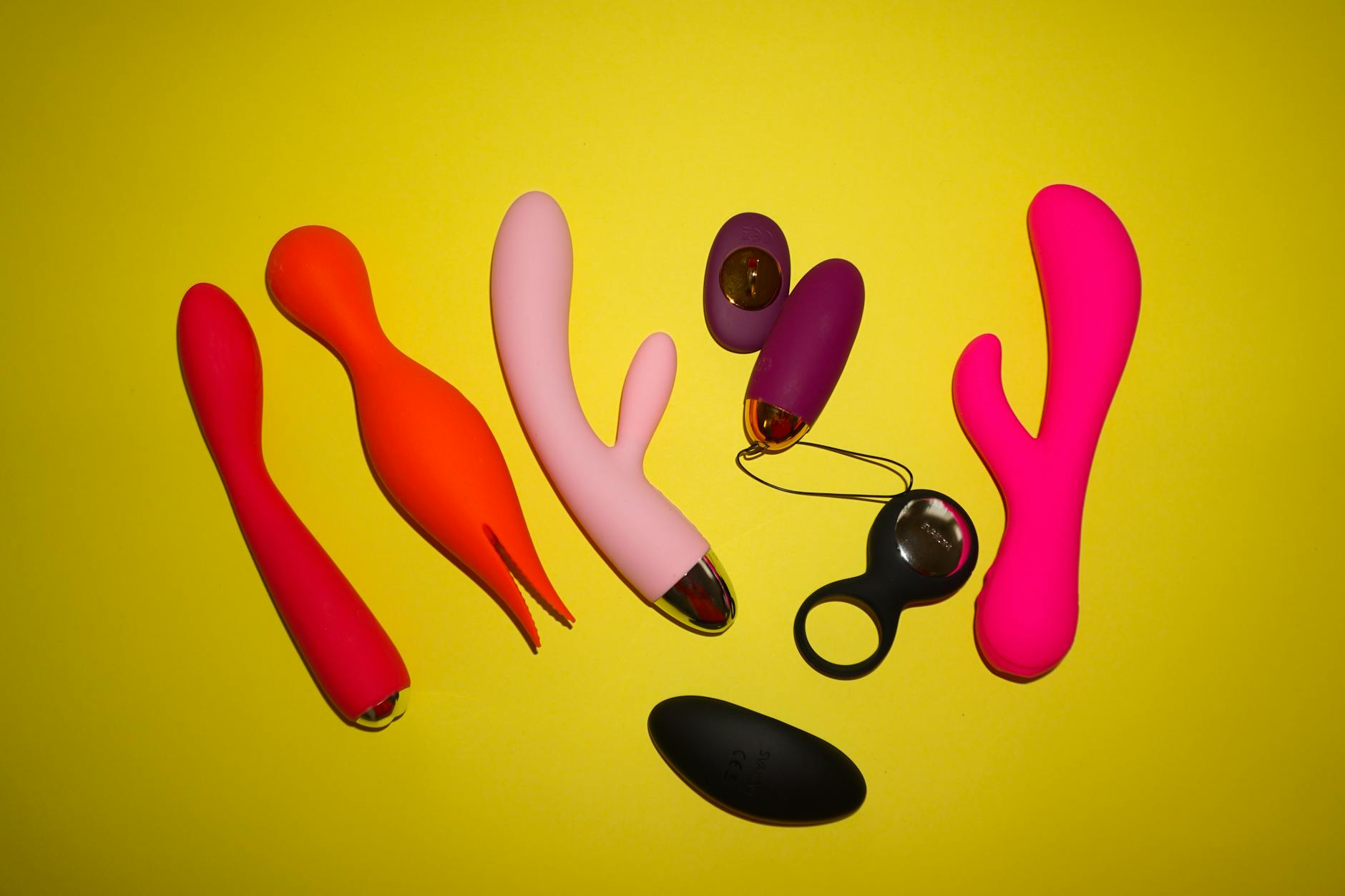
The thing nobody tells you about pleasure and time
Your body is not a fixed machine. It rewires itself constantly. The way you experience sensation with a lemon vibrator at 25 is genuinely different from how you'll experience it at 40, and those shifts are not failures. They're information.
I've worked with hundreds of people navigating exactly this: they pick up their favorite clitoral vibrator and wonder why it doesn't hit the same way anymore. Some blame themselves. Others assume their body is broken. Neither is true. What's actually happening is a combination of hormonal changes, neurological shifts, and often, a mismatch between their old technique and their new body.
Let's walk through what changes, what doesn't, and how to keep pleasure sharp across your lifespan.
What hormones actually control (and it's more than you think)
Estrogen and testosterone aren't just about desire. They shape nerve sensitivity, blood flow, tissue resilience, and how quickly your nervous system can fire up a response chain.
As estrogen drops (which begins in the late 30s for most people, accelerates through perimenopause, and stabilizes post-menopause), clitoral tissue becomes slightly thinner and more fragile. Sounds bad, but here's the plot twist: sensitivity doesn't necessarily drop. It changes shape. Some people report their most intense orgasms happen after menopause, because the clitoris becomes more responsive to lighter, more focused stimulation.
Testosterone decline is slower and more gradual, but it matters. Testosterone drives baseline sexual interest and the physical readiness of the body to respond. A small dose makes a noticeable difference for many people. You don't need to add hormones to stay happy. But if desire has genuinely vanished and isn't connected to relationship stress or depression, it's worth discussing with a doctor who knows about menopause medicine.
What doesn't change: your brain's wiring for pleasure. The neural pathways that create orgasm stay intact across your lifespan.
The clitoral sensitivity spectrum across decades
Your 20s and early 30s often bring intense, almost hair-trigger sensitivity. The body responds quickly. Everything feels novel. Lemon vibrators work beautifully here, especially at higher intensities.
Late 30s into perimenopause is where things get interesting. Sensitivity becomes more localized. You might notice that broad, distributed stimulation (like a traditional wand) feels less specific than it used to, while precision tools like a lemon vibrator, which targets the clitoral head with pinpoint suction and vibration, start feeling sharper and more efficient.
Post-menopause (the years after your final period), sensitivity stabilizes at a new baseline. It's not lower. It's different. The tissue requires a bit more warming up. Technique matters more than intensity. And many people find that the mental clutter of hormonal cycling being gone actually clears space for deeper sensation.
Your 50s and beyond aren't a decline. They're a recalibration. I've worked with people in their 60s and 70s who have the most satisfying sex lives of their adulthood, partly because they've had decades to learn their own bodies and the confidence to ask for what works.
Why lemon clitoral vibrators adapt better to these shifts than other toys
Here's where the design of lemon vibrators becomes relevant. Most traditional vibrators use direct vibration. As tissue sensitivity changes, that approach can feel harsh on thinner tissue or disappointingly muted on tissue that's gone through hormonal shifts.
Lemon vibrators use suction combined with gentle vibration. This matters because suction creates a consistent pressure envelope around the clitoral head, which means you get intense sensation without relying purely on the vibration speed. Tissue type, thickness, and age affect how much direct vibration you can tolerate, but suction works across all of those variations.
People moving into perimenopause often report that their old vibrators, which felt perfect at 28, start feeling either too intense or oddly numb. A lemon vibrator can be the bridge back to that "just right" sensation, because you can modulate the pressure (by how firmly you press) and the vibration intensity separately.
Technique shifts that matter more than you'd expect
Your 20s: you might have preferred fast patterns and direct, sustained pressure. Your body fired up quickly and enjoyed that speed.
Your 30s and 40s: warm-up time extends. 5 minutes of foreplay might need to become 15. This isn't worse. It's different. And many people find that the longer ramp-up creates deeper, more full-body sensation than the quick hits they enjoyed earlier.
With a lemon vibrator, this means starting at a lower suction level and vibration pattern, even if you used the highest settings in your 20s. Your nervous system might actually deliver more sensation at pattern 3 with consistent pressure than at pattern 7 with chaotic intensity.
Your 40s and 50s: pelvic floor tension often increases, which can actually interfere with sensation even though you'd think a tighter floor would heighten things. It doesn't. Learning to consciously relax your pelvic floor before and during stimulation becomes a game-changer. Breathwork matters now in a way it might not have before.
The mental component is not separate from the physical
Here's something people miss entirely: how you think about your body directly affects sensation. In your 20s, there's often less accumulated self-criticism about how you look or perform. By 35 or 45, most people have internalized a lot of noise about aging bodies and their right to pleasure.
That mental static dampens sensation. Not because your nerves are dying. Because your brain is partially elsewhere, watching, judging, waiting for something to go wrong.
The couples I work with who've navigated midlife pleasure shifts most successfully are the ones who explicitly separated two conversations: "My body is responding differently" and "I'm worried nobody wants me anymore." Those are different problems needing different solutions.
For solo exploration with a lemon vibrator, this means permission matters more than it did in your 20s. Setting aside time. Eliminating distractions. Sometimes writing down the anxieties beforehand and setting them aside. These aren't luxuries. They're essential to pleasure at every age, but they become non-negotiable in midlife.
When sensitivity loss is actually a signal worth investigating
If sensation has dropped and you're confident it's not mental clutter, hormonal changes, or simple technique mismatch, it might be worth a check-in with a doctor. Certain medications (some antidepressants, blood pressure meds) genuinely affect sensation. Some health conditions do too. A good GP or gynecologist can help untangle that.
Diabetes, for example, can gradually reduce nerve sensitivity across the body, including the clitoris. Thyroid issues affect everything, including sexual response. High blood pressure medication might lower sensation. None of these mean you've lost pleasure forever. They mean you might need a different approach or a small intervention to restore it.
If you're post-menopausal and sensation has shifted but you're otherwise fine, a topical estrogen cream applied to the vulva a few times a week can restore some tissue thickness and sensation without any systemic hormonal effects. It's remarkably effective and totally safe for long-term use.
The part about pleasure actually deepening
I want to circle back to this because it's counterintuitive and people dismiss it as polite lying. It's not.
Many people report their most satisfying orgasms come after 40. Not because the orgasm itself is physically bigger (though it can be), but because they know their body better, they're less worried about performance, and they've had time to unpack what actually feels good versus what they thought was supposed to feel good.
A lemon vibrator in the hands of someone who knows their body and doesn't have competing anxiety often delivers sensation that someone's 25-year-old self couldn't access. Not because the tool is magic. Because the person wielding it has decades of information about their own nervous system.
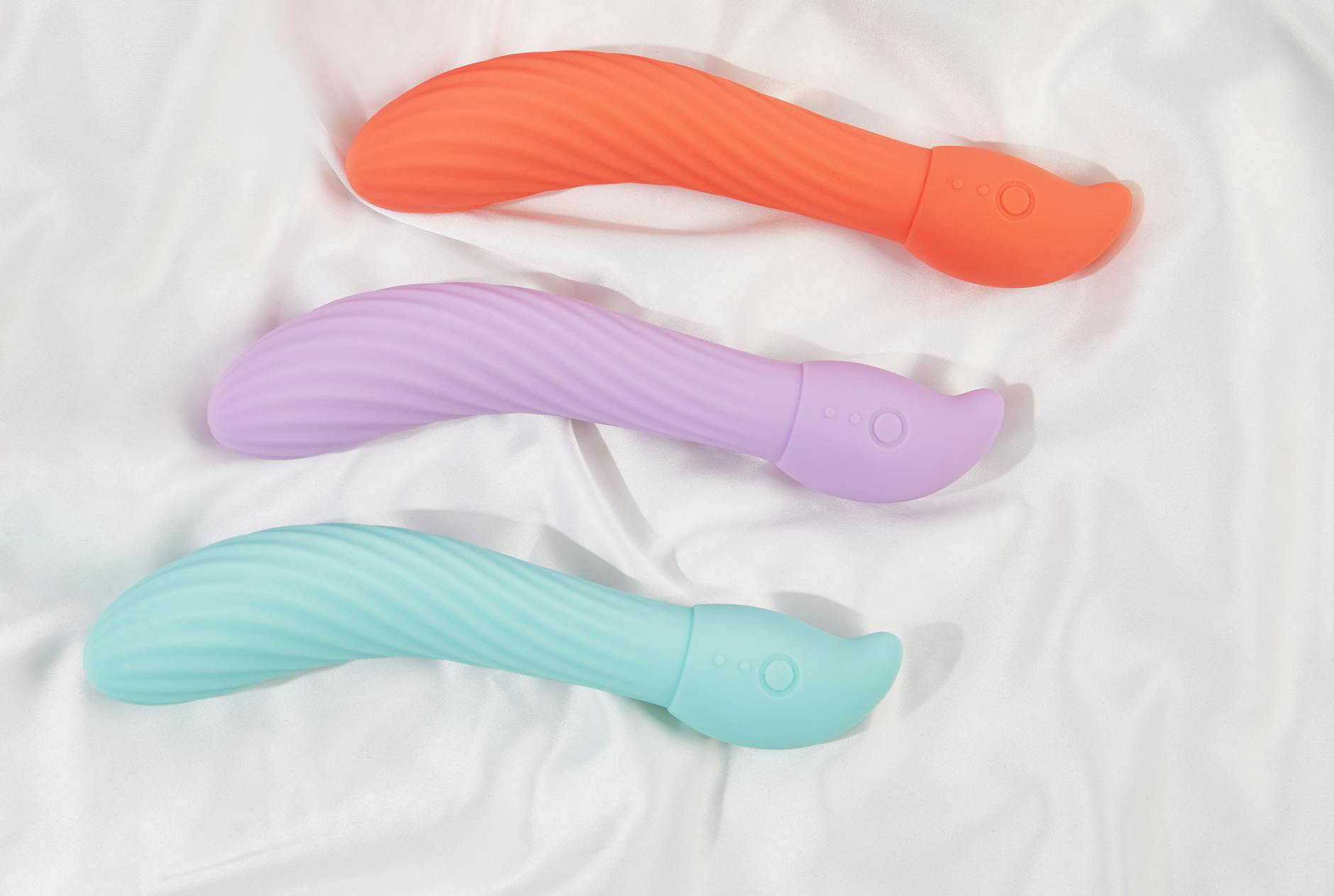
Photo by IFONNX Toys on Pexels
FAQ: Your actual questions answered
Does lemon suction feel different after hormonal changes?
Yes, but usually in a positive direction. The suction mechanism becomes more relevant as tissue thins, because you're creating sustained pressure without relying on vibration intensity alone. People often find a lemon vibrator works better post-menopause than it did before, or that they can enjoy lower intensity settings and get better results.
Will I ever feel as sensitive as I did in my 20s?
No, and that's not actually a loss. Sensitivity reshapes rather than diminishes. You'll likely notice that precision and technique matter more, and that focused attention produces bigger sensation than scattered intensity. That's a trade worth making.
Can testosterone therapy restore sensation?
Sometimes. If low testosterone is contributing to low desire or reduced sensitivity, a small dose prescribed by a menopause specialist can help. But it's not a magic fix, and it's not necessary for everyone. Worth discussing if desire has completely flatlined and nothing else explains it.
How much does pelvic floor tension actually matter?
More than most people realize. A tight pelvic floor can block sensation and orgasm even when your clitoris is responding normally. Learning to consciously relax it (through breathwork or pelvic floor physical therapy) often restores sensation people thought they'd lost. This becomes increasingly relevant after 40.
Should I switch toys as I age?
Not necessarily. But you might want to adjust how you use them. Lemon vibrators scale beautifully across ages because you can modulate both pressure and vibration. A toy that felt perfect at 28 might feel better at 45 just because you're using it differently. That said, if something genuinely stops working for you, exploring a new option is totally valid.
Is there anything that makes sensation permanently go away?
Rarely. Medications, health conditions, and hormonal shifts can all reduce sensation, but most have workarounds. Talk to your doctor if you're concerned. The most common culprit, though, is mental distance from your own pleasure, not physical damage. That's fixable.
The long view
Pleasure doesn't have an expiration date. It has chapters. Your 20s were one way. Your 40s will be another. With information, permission, and a tool like a lemon vibrator that adapts to what your body actually needs, you can stay connected to sensation across your entire lifespan.
What changes is the technique. What stays is your capacity for joy. Build on that.